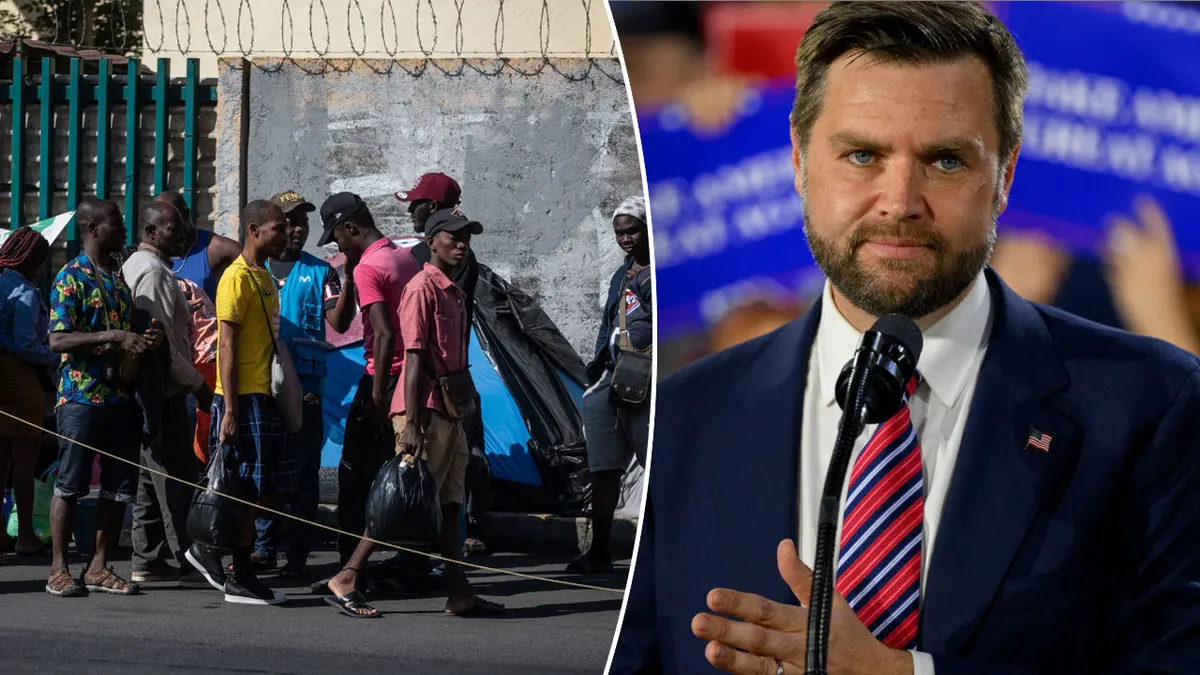
The U.S. Supreme Court is set to discuss an important case regarding the termination of temporary protections for immigrants from Haiti and Syria, a move that could impact the future of thousands of families. This decision arises amid ongoing humanitarian crises in both countries, complicating the situation for immigrants who rely on these protections.
The Trump administration seeks to end the Temporary Protected Status (TPS) program, which provides legal protection to immigrants who fled their countries due to crises. This program was originally established to assist individuals facing extraordinary circumstances, but the current administration believes it is time to reassess these policies.
Details of the Case
The case before the Supreme Court involves several legal aspects, including whether the U.S. government has the authority to terminate these protections. This decision has elicited mixed reactions from immigrant rights advocates, who argue that ending protections will exacerbate humanitarian crises.
The Court is expected to hear legal arguments from both sides, with advocates for immigrant rights highlighting the negative impacts that may arise from ending these protections. Conversely, the government will present its arguments regarding the necessity of reevaluating immigration-related policies.
Background & Context
Historically, Haiti and Syria have faced recurring humanitarian crises. In Haiti, natural disasters and political turmoil have led to the displacement of many citizens, while Syria has been embroiled in a civil war for over a decade. These conditions have driven many individuals to seek safe haven in the United States, where they have been granted temporary protection.
The TPS program was established in the 1990s to provide safety for immigrants facing harsh conditions in their home countries. However, the Trump administration aims to scale back this program as part of its broader immigration policy.
Impact & Consequences
Ending protections for immigrants from Haiti and Syria could have serious repercussions. Many of these immigrants have families and children in the United States, and losing protection could lead to the fragmentation of these families. Additionally, returning to their home countries may mean facing dangerous and unstable conditions.
Legally, this case could spark widespread debate over immigrant rights and government authority. If the Supreme Court rules in favor of the Trump administration, it may pave the way for the termination of other protective programs for immigrants from different countries.
Regional Significance
Considering the situation in Syria, ending protections for Syrian immigrants could further complicate humanitarian conditions in the region. Many Syrians are suffering from the ongoing effects of war and view the United States as a safe haven. If they lose this protection, they may face increased risks under current circumstances.
Ultimately, this case represents a significant test of U.S. immigration policies and highlights the challenges faced by countries in dealing with immigration and asylum issues. The outcomes of this case could greatly affect the future of many families and communities.