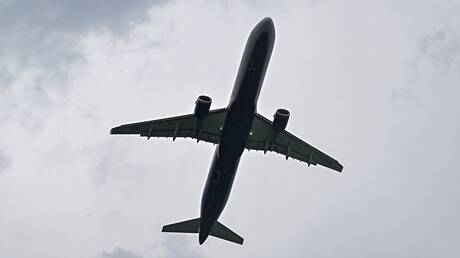
Aircraft fuel prices in Northwestern Europe have exceeded $1900 per ton, while diesel prices have reached $1600 per ton, according to a report released by Argus International on Thursday. This substantial increase comes at a time when European markets are experiencing sharp fluctuations in energy prices, raising concerns among both airlines and consumers.
Reports indicate that this price surge is attributed to several factors, including rising production and transportation costs, as well as geopolitical disruptions affecting energy supplies in the region. Additionally, the increasing demand for air travel following the easing of COVID-19 restrictions has contributed to the upward pressure on fuel prices.
Details of the Event
In more detail, aircraft fuel prices have seen a notable rise in recent days, making them among the highest in recent years. This increase reflects significant challenges faced by airlines, which heavily rely on fuel as a key component of operational costs. As these trends continue, companies may need to reassess their pricing strategies.
Moreover, diesel prices, which have reached $1600 per ton, indicate similar pressures in the land transport sector. This increase may affect the prices of other goods and services, thereby increasing the burden on consumers across Europe.
Background & Context
Historically, energy markets in Europe have experienced significant volatility due to geopolitical events, such as conflicts in the Middle East and the Ukraine crisis. These events directly impact oil and gas supplies, which in turn reflect on fuel prices. In recent years, there have been attempts by European countries to reduce dependence on fossil fuels, but these efforts have yet to yield the desired results.
The impact of the COVID-19 pandemic on the aviation sector has also played a significant role in reshaping the market. After a period of sharp decline in demand, air travel has begun to recover, leading to increased fuel demand. However, rising prices may hinder this recovery and affect airlines' future growth plans.
Impact & Consequences
Forecasts suggest that continued increases in fuel prices may lead to higher travel costs, which could deter some travelers from flying or prompt them to seek cheaper alternatives. Additionally, airlines may be forced to raise ticket prices, which could impact market demand.
Furthermore, this price increase could have negative effects on the European economy as a whole, as rising transportation costs can translate into higher prices for goods and services, thereby increasing inflation rates. Under these circumstances, it will be crucial to monitor how governments and businesses respond to these challenges.
Regional Significance
For the Arab region, rising aircraft fuel prices may affect travel between Arab countries and Europe. Many Arab airlines rely on flights to Europe, and thus any increase in costs could impact the travel options available to Arab travelers.
Additionally, oil-producing Arab countries may benefit from rising prices, as this could lead to increased revenues. However, global economic challenges may affect oil demand, complicating the situation further.
In conclusion, the current rise in aircraft fuel and diesel prices in Northwestern Europe reflects ongoing challenges facing energy markets. It is important to follow developments in this area, as their impact extends to many economic and social sectors.