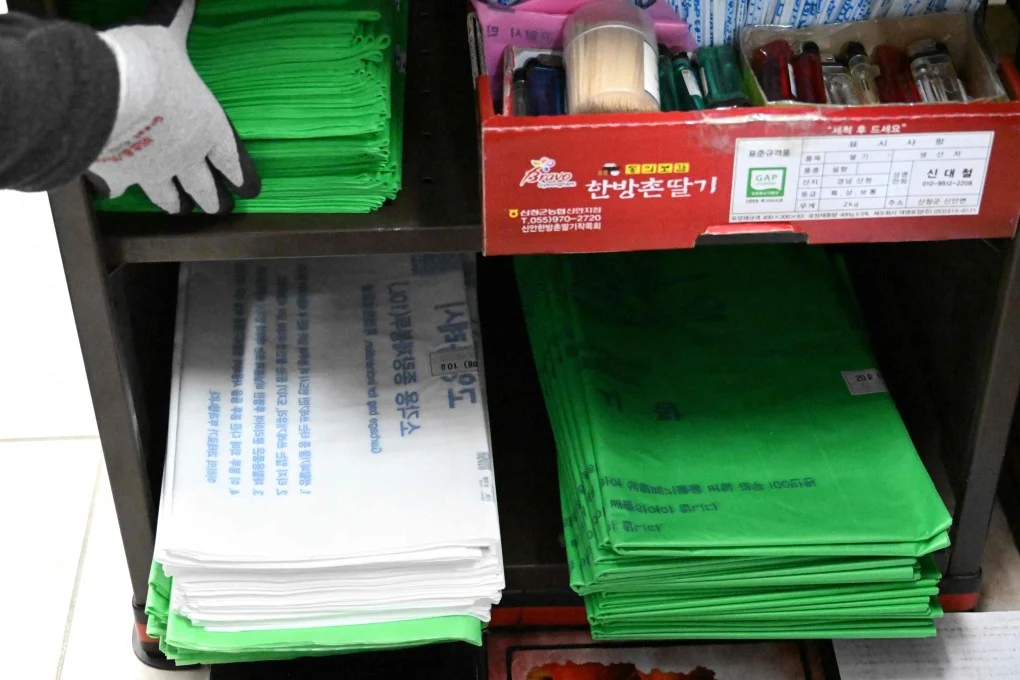
Last week, Seoul, the capital of South Korea, witnessed an unprecedented demand for plastic garbage bags as residents stockpiled them in anticipation of a potential shortage. Approximately 2.7 million bags were sold daily, five times the usual amount, amid concerns over the impact of the oil supply crisis.
This phenomenon stems from increasing anxiety among citizens regarding the geopolitical crisis in the region, particularly the potential war between Iran and Western countries. Local laws in Seoul mandate the use of prepaid garbage bags made from naphtha, a petroleum-derived product, which heightens concerns about their future availability.
Details of the Event
Prepaid garbage bags are a crucial part of the waste management system in Seoul, used for disposing of household waste. However, the current tensions in global oil markets, resulting from events in the Middle East, could lead to price increases or supply shortages. Reports have shown that citizens in Seoul have begun purchasing large quantities of these bags, resulting in them running out in stores.
This situation reflects a broader concern about the stability of energy supplies in South Korea, which heavily relies on imports. Many experts have noted that this crisis could lead to wider economic repercussions, including increased living costs.
Background & Context
Historically, South Korea has faced similar crises in the past, where geopolitical tensions in the region directly impacted the local economy. For instance, during the oil crisis in the 1970s, many industries were significantly affected, leading to changes in economic policies.
In recent years, tensions in the Middle East, especially with Iran, have made South Korea more sensitive to any changes in oil markets. The country's heavy reliance on imports makes it vulnerable to economic shocks.
Impact & Consequences
The oil supply crisis could lead to price increases across all sectors, affecting citizens' purchasing power. Additionally, this crisis may prompt changes in government policies related to energy and waste management, as the government may seek to find sustainable alternatives.
These events could also raise public awareness about the importance of waste management and the use of recyclable materials, potentially contributing to the enhancement of environmental policies in the country.
Regional Significance
Crises in oil markets have a direct impact on Arab countries, which heavily rely on oil exports. Any increase in prices or supply shortages could affect Arab economies, necessitating a swift response from governments.
Furthermore, tensions in the Middle East could lead to heightened security concerns, impacting foreign investments in the region. Therefore, events in South Korea may serve as a wake-up call for Arab countries regarding the importance of preparedness for such crises.