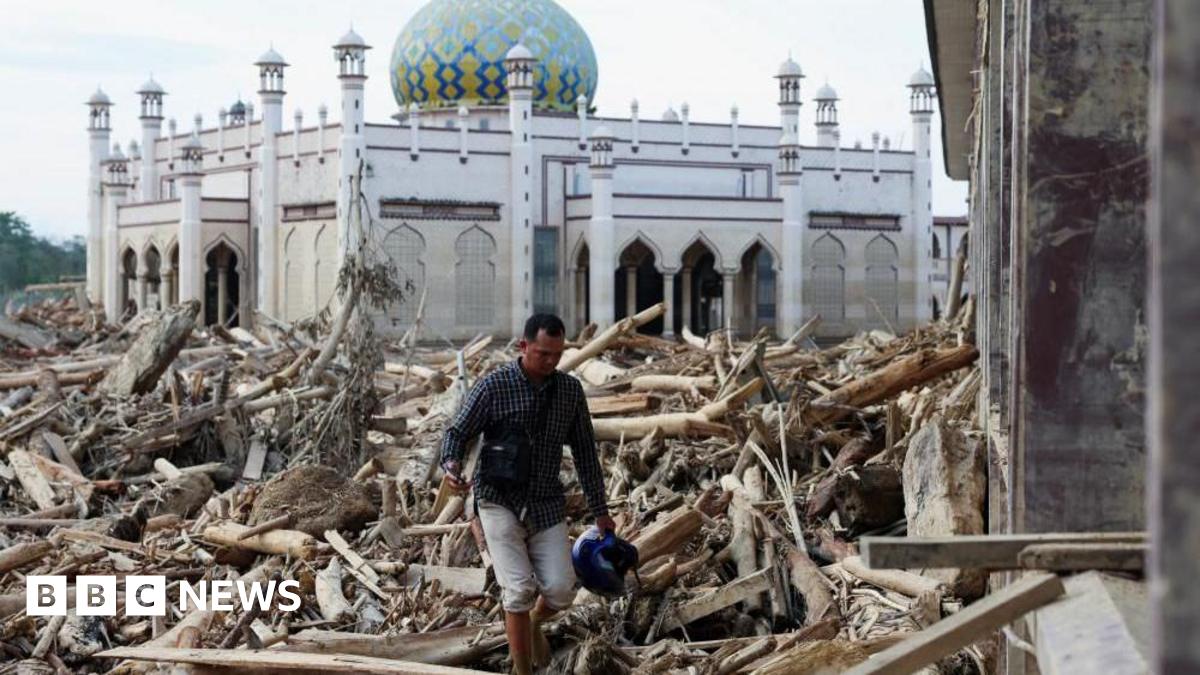
Survivors of the hydrometeorological disaster in Aceh Tamiang, Indonesia, have begun returning to their homes after a period of displacement, as many houses were destroyed due to flooding caused by rising water levels in the Tamiang River. These survivors have faced significant difficulties in rebuilding their lives following the disaster that occurred at the end of November 2025.
Muhammad Hendra, one of the survivors, confirmed that he returned to his home after it was cleaned and repaired, as his house suffered extensive damage due to mud accumulation exceeding one meter in height. Cleaning and rehabilitating the house took more than a month and a half, forcing his family to spend that time in his parents' house.
Details of the Event
Muhammad Hendra recounted the details of the disaster, noting that the damage to his home was severe, with roofs and walls significantly affected. He explained that he used his personal savings to cover the costs of cleaning and repairs, including selling some of his wife's jewelry and borrowing from family members.
Despite returning to his home, Hendra pointed out that the government has not yet provided the promised assistance to the affected individuals, which has exacerbated their suffering. However, he confirmed that basic services such as electricity and water have returned to normal, although the roads still bear the remnants of the mud.
Background & Context
Historically, the Aceh region has experienced numerous natural disasters, including earthquakes and tsunamis, making it one of the most disaster-prone areas in Indonesia. The recent disaster was a result of climate change that led to increased flooding, highlighting the urgent need to develop effective strategies to adapt to changing climatic conditions.
Indonesia is one of the countries suffering from the effects of climate change, with the frequency and severity of natural disasters increasing. Therefore, improving infrastructure and raising community awareness on how to deal with natural disasters is essential.
Impact & Consequences
The recent disaster in Aceh Tamiang illustrates how natural disasters can impact local communities, with survivors suffering from loss of property and financial resources. Additionally, the lack of timely government assistance exacerbates the situation, leading to increased psychological and social pressures on affected families.
These conditions require a swift response from the government and relief organizations to ensure that necessary support is provided to the affected individuals, alongside the need for long-term plans to address future disasters.
Regional Significance
Although the disaster occurred in Indonesia, the lessons learned can be beneficial for Arab countries facing similar challenges due to climate change. Natural disasters do not recognize borders, and countries need to collaborate and share knowledge and experiences to mitigate their impacts.
In conclusion, there remains an urgent need to develop effective strategies to adapt to climate changes and enhance communities' resilience to natural disasters.