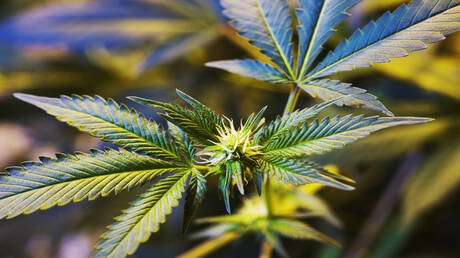
A recent study from Switzerland indicates that cannabis use does not necessarily lead to lower testosterone levels in young people, challenging previous understandings of this issue. These findings could open new avenues for understanding the effects of cannabis on hormonal health.
Male hormones, particularly testosterone, are essential for the development of secondary sexual characteristics in men, as well as influencing overall health and sexual ability. Low levels of this hormone have been linked to a number of health and psychological issues.
Details of the Study
The study was conducted on a group of young cannabis users, measuring their testosterone levels. Instead of the expected decline, the results showed that hormone levels were within normal ranges. This discovery raises questions about the traditional understanding of cannabis's impact on hormonal health.
The study, published in a prestigious medical journal, employed modern techniques for hormone measurement, enhancing the credibility of the results. Data from a diverse group of participants were analyzed, reflecting the varied effects of cannabis on individuals.
Background & Context
Over the past few years, there has been extensive debate regarding the effects of cannabis on health. Many previous studies indicated that cannabis use could lead to lower testosterone levels, raising concerns among doctors and researchers. However, this new study offers a different perspective, necessitating a reevaluation of previous hypotheses.
Cannabis is a controversial substance, used for both medical and recreational purposes in many countries. As acceptance of cannabis use grows in societies, it becomes crucial to better understand its health effects.
Impact & Consequences
The results of this study go beyond just the impact of cannabis on testosterone levels. These findings may pave the way for further research into the effects of cannabis on public health, including its psychological and physical impacts. Additionally, these results could influence health policies related to cannabis use.
If these findings are validated, there may be a need to reconsider medical guidelines regarding cannabis use, especially among young people. These results could also affect how doctors approach patients who use cannabis for medical purposes.
Regional Significance
In the Arab region, the topic of cannabis remains highly controversial. Many countries adopt strict policies against cannabis use, while others are moving towards legalizing it for medical purposes. This study may highlight the need to reevaluate these policies based on recent scientific research.
As interest in cannabis grows in the Arab world, these findings could contribute to new discussions about cannabis use and its health effects, potentially leading to changes in health policies in the future.
In conclusion, this Swiss study provides new insights into the effects of cannabis on testosterone levels, calling for further research and understanding of this topic. As cannabis use increases globally, it is essential that health policies are grounded in accurate scientific research.