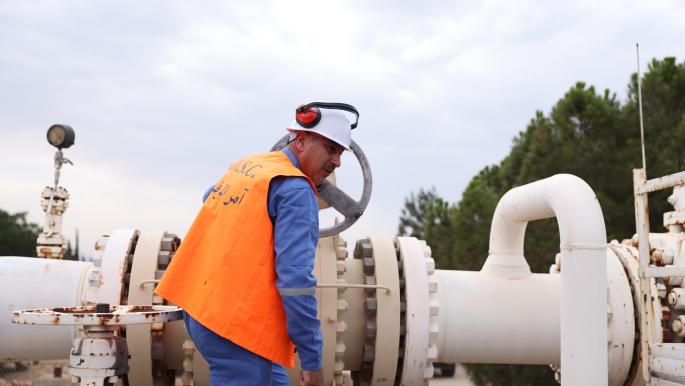
Syria has entered a new phase in the development of its natural gas sector following the signing of an executive contract between the Syrian Petroleum Company and the Saudi company 'Adis'. This contract represents a significant step towards enhancing local natural gas production, which is one of the vital energy sources in the country.
The Syrian government aims to improve the economic situation by investing in natural resources, especially in light of the economic challenges facing the country. This collaboration with 'Adis' is part of Syria's efforts to restore its energy sector after years of conflict.
Contract Details and Significance
The contract was signed at an official ceremony attended by representatives from both parties, where the importance of this project in supporting the national economy was emphasized. The contract includes the development of several gas fields, which will contribute to increasing local production and meeting market demands.
It was also noted that this collaboration will enable Syria to benefit from the technical expertise of 'Adis', which has a proven track record in developing gas and oil projects. Work on the project is expected to commence in the coming months.
Background & Context
The natural gas sector is vital in Syria, as the country possesses significant gas reserves. However, this sector has been heavily impacted by the ongoing conflict since 2011, leading to a decline in production and deterioration of infrastructure. In recent years, the Syrian government has begun taking steps to rehabilitate this sector by attracting foreign investments and collaborating with international companies.
Efforts to revitalize the gas sector are crucial for Syria's economic recovery, as they can help restore energy supplies and improve the overall economic landscape. The government’s focus on natural gas development reflects a broader strategy to harness domestic resources and reduce reliance on imports.
Impact & Consequences
This contract is expected to contribute to improving the economic situation in Syria by increasing local gas production and creating new job opportunities. It will also help reduce dependence on energy imports, thereby enhancing the country's independence in this field.
Furthermore, this collaboration may open the door to other partnerships with international companies, strengthening Syria's ability to regain its position in the regional energy market. The anticipated increase in production could also lead to more stable energy prices and improved energy security for the nation.
Regional Significance
The signing of this contract is not only significant for Syria but also for the broader regional energy landscape. As Syria seeks to restore its energy sector, it may play a more pivotal role in regional energy dynamics, especially if it can successfully attract further investments and partnerships.
In conclusion, the collaboration with 'Adis' represents a strategic move towards enhancing local natural gas production, which is essential for improving Syria's economic situation. The government’s commitment to reviving the energy sector could have far-reaching implications for the country's future stability and growth.