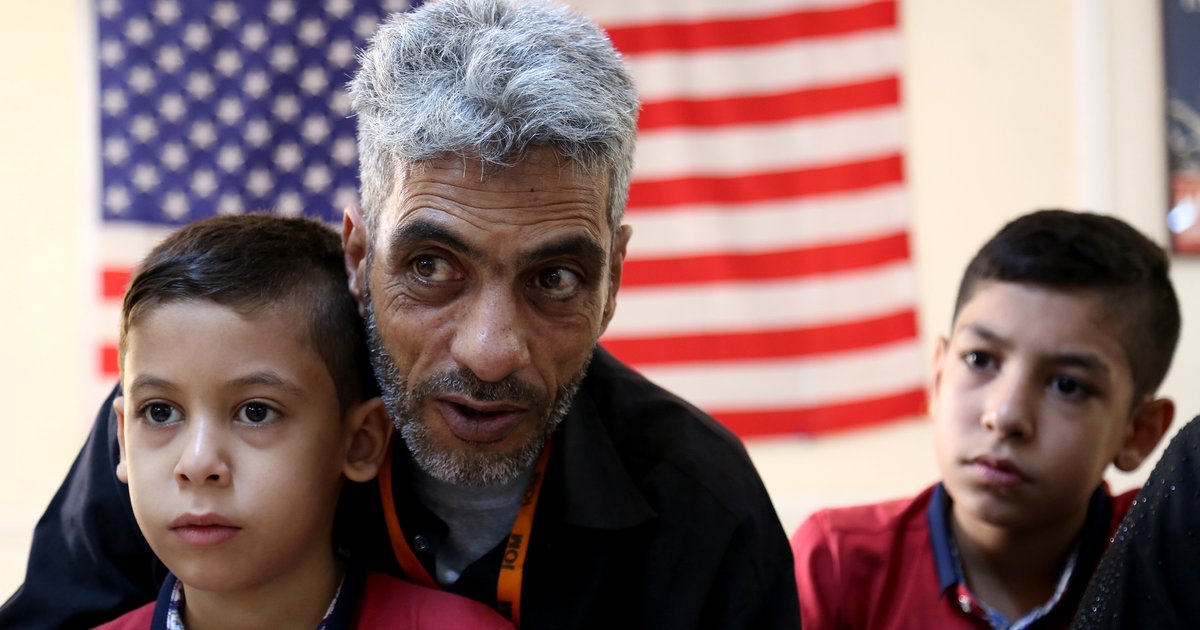
The fates of Syrian refugees are intertwined with complex political dimensions, where return decisions become negotiation tools used by various parties. Amid ongoing crises, refugees find themselves caught between the fear of returning to their war-torn homeland and the disappointment of the lack of clear solutions to their problems.
Pressure is mounting on host countries, as political and economic conditions necessitate difficult decisions regarding the future of these individuals. While some governments seek to expedite return processes, fears about security and economic conditions in Syria remain a significant barrier to these steps.
Details of the Situation
Reports indicate that some countries, such as Turkey and Lebanon, have begun taking serious steps towards the repatriation of Syrian refugees, but these steps are often conditional on political requirements. For instance, the Turkish government aims to use the refugee issue as leverage to pressure the international community for greater support in facing its economic crises.
On the other hand, voices from human rights organizations are rising, warning of the consequences of forced returns, asserting that conditions in Syria remain unsafe, exposing refugees to significant risks. Activists emphasize that returns should be voluntary and safe, with real guarantees for the protection of refugees' rights.
Background & Context
Since the onset of the conflict in Syria in 2011, millions of Syrians have fled to neighboring countries and Europe in search of safety. Over time, refugee issues have become part of global political discussions, with varying positions from countries on how to address this crisis. In recent years, some European countries have seen a decline in their support for refugees, complicating the situation further.
The safe return of Syrian refugees requires political and security stability in the country, which remains elusive. Additionally, the economic and social crises faced by host countries add new dimensions to this issue, making it challenging to find sustainable solutions.
Impact & Consequences
The issues surrounding Syrian refugees affect relations between countries, as some governments use the refugee file as a means to achieve political gains. This places refugees in a difficult position, where they become tools in political conflicts unrelated to them.
Moreover, the ongoing refugee crisis negatively impacts the local economies of host countries, leading to social tensions that could exacerbate existing crises. Therefore, finding effective solutions requires genuine international cooperation.
Regional Significance
The Syrian refugee issue is one of the most prominent humanitarian crises in the Arab region, affecting the stability of neighboring countries. The large numbers of refugees place pressure on resources and services, creating new challenges for governments.
This issue also contributes to deepening political and social divisions within host countries, complicating the political landscape in the region. Therefore, addressing this issue requires a comprehensive vision that considers the needs of both refugees and host countries.
In conclusion, the fate of Syrian refugees remains suspended between hopes of return and political games, necessitating the international community to work diligently to find solutions that ensure their rights and secure a better future for them.