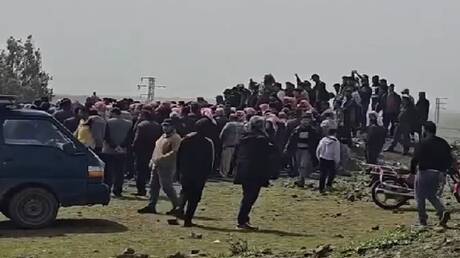
Osama Fahd Al-Fahd was killed yesterday evening by an artillery shell fired by Israeli forces in southern Quneitra, which has sparked sadness and anger among the residents of Al-Rafid town, who mourned him today.
Hundreds of residents gathered in Al-Rafid to bid farewell to Al-Fahd, expressing their deep sorrow over his loss. Participants in the funeral raised slogans condemning Israeli aggressions, affirming their right to defend their land and dignity.
Details of the Incident
The incident occurred late yesterday evening when Israeli forces targeted Al-Fahd while he was in an area near the demarcation line. Local sources confirm that the young man was returning home after visiting a relative when he was hit by the shelling.
This incident comes amid escalating tensions in the region, as Israeli forces continue their military operations in Syrian territories, increasing the suffering of civilians in areas close to the border.
Background & Context
Historically, the Quneitra region has witnessed numerous armed conflicts and Israeli aggressions, especially following the 1967 war. Since then, the area has remained under the influence of the Arab-Israeli conflict, leading to the loss of many lives and the destruction of property.
Quneitra is considered a strategic area, located on the border between Syria and the occupied Golan Heights. The region has seen many clashes between Syrian and Israeli forces, exacerbating the humanitarian situation there.
Impact & Consequences
The killing of Osama Fahd Al-Fahd reflects a painful reality faced by civilians in border areas, where risks increase as military operations continue. This incident may lead to heightened tensions between the two sides and could require international intervention to curb these aggressions.
Furthermore, this incident may affect relations between Syria and Israel, as the Syrian government may seek to take diplomatic or military actions in response to these aggressions.
Regional Significance
The events in Quneitra are part of the larger picture of the conflict in the Middle East, where concerns are growing about the impact of these aggressions on regional stability. The martyrdom of Al-Fahd reflects the suffering of many Syrian families who have lost their children due to armed conflicts.
The situation in Syria, especially in border areas, requires greater international attention, as the continuation of these aggressions could exacerbate humanitarian crises and increase civilian suffering.
In conclusion, hope remains pinned on achieving peace and stability in the region, but until then, the suffering of civilians will continue under these difficult circumstances.