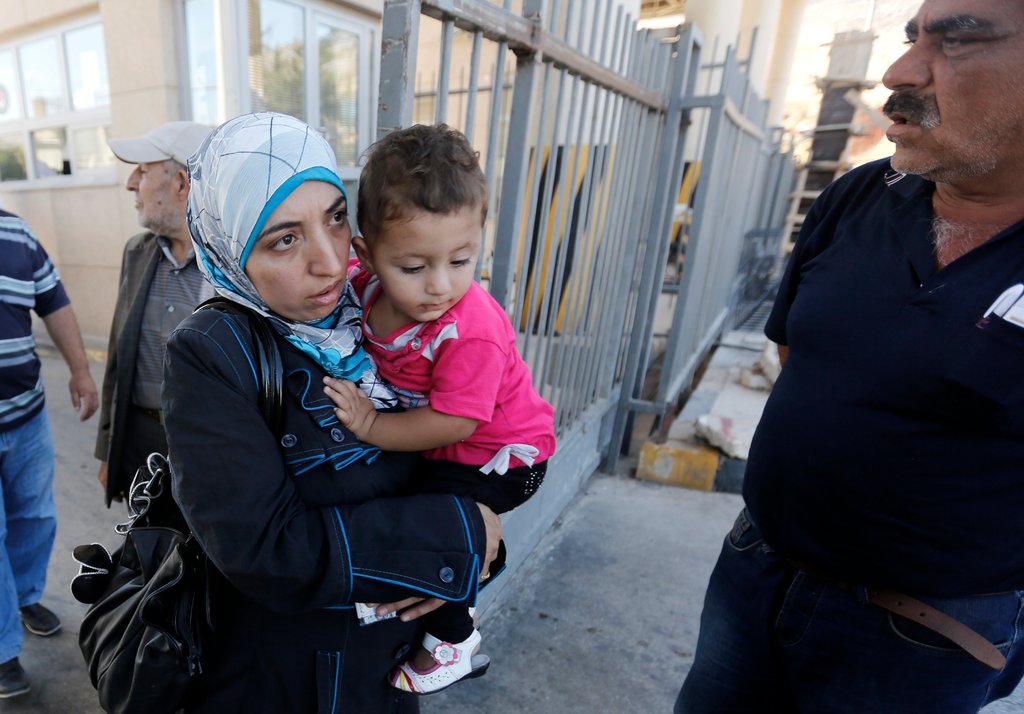
Syrians in Germany express mixed feelings about their future, caught between fears of deportation and desires to return home. This comes in light of statements from Friedrich Merz that reflect a complex humanitarian reality. Huda, who has clung to her new life in Germany, finds herself facing new challenges, while Azzam awaits family reunification or the option to return to Syria.
Concerns are rising within the Syrian community in Germany following recent remarks by Friedrich Merz, leader of the Christian Democratic Union, who called for stricter asylum policies in the country. These statements have raised alarm among many Syrians living in Germany, as some feel they may face the risk of deportation at any moment.
Details of the Situation
Many Syrians have expressed mixed emotions regarding Merz's statements, with some viewing them as a political shift that could negatively impact their legal status in the country. Huda, a Syrian woman living in Berlin, confirmed that she feels afraid of losing her stability, while Azzam, who is waiting for family reunification, is concerned that these policies may affect his chances of reuniting with his family.
At the same time, there are those who believe that returning home might be the better option, despite the risks they may face in Syria. The daily human experiences of Syrians in Germany reflect the depth of suffering and challenges they encounter, whether in integration or in maintaining their cultural identity.
Background & Context
Historically, Germany has witnessed a significant influx of Syrian refugees since the onset of the conflict in Syria in 2011. The country has welcomed hundreds of thousands of Syrians, making it one of the primary destinations for refugees in Europe. However, asylum-related policies have seen notable changes in recent years, as the German government seeks to regulate the number of refugees and implement stricter standards.
Merz's statements come at a sensitive time, as the Christian Democratic Union aims to strengthen its position amid increasing political and social pressures. This trend could impact the lives of many Syrians who rely on the legal protection afforded to them by Germany.
Impact & Consequences
The potential consequences of these statements could be far-reaching, leading to increased anxiety among Syrian refugees and exacerbating feelings of insecurity. Additionally, these policies may affect relations between Germany and the countries hosting refugees, complicating the humanitarian situation in the region.
Moreover, these policies could increase social tensions within German society, as debates around immigration and asylum intensify. This could negatively reflect on the integration efforts made by the Syrian community in the country.
Regional Significance
The repercussions of these statements extend beyond Germany, potentially affecting the situation in Syria and neighboring countries. The return of refugees to Syria could mean increased pressure on infrastructure and services in areas already suffering from severe resource shortages.
Furthermore, these policies may impact relations between Arab countries and Europe, as issues of human rights and asylum may resurface on the international stage. This situation requires Arab countries to reassess their policies towards Syrian refugees and provide the necessary support.
In conclusion, the situation of Syrians in Germany remains complex, requiring a balance between government policies and the humanitarian needs of refugees. The challenges faced by Syrians reflect a humanitarian reality that demands understanding and support from the international community.