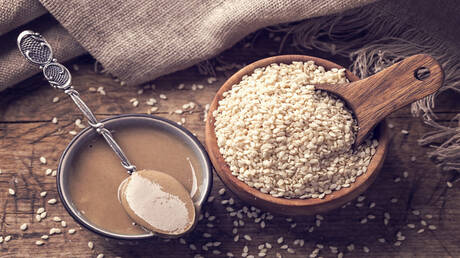
Tahini is one of the essential ingredients in Eastern cuisine, widely used in preparing many famous dishes and appetizers. It is characterized by its high nutritional value, containing a variety of vitamins, minerals, and healthy fats that make it an ideal choice for many dietary plans.
Tahini is incorporated into various dishes, such as hummus and baba ghanoush, and is also used in making some desserts. These ingredients are an integral part of the culinary heritage in many Arab countries, reflecting the importance of tahini in food culture.
Nutritional Details of Tahini
Tahini contains a range of important nutrients, such as proteins, fibers, and healthy fats, making it an excellent option for enhancing overall health. Additionally, tahini is rich in vitamins like Vitamin B and E, and minerals such as calcium and magnesium, contributing to immune support and bone health.
Tahini is also a good source of energy, as it has a high content of healthy fats that help provide the necessary energy for the body. It can be used as a healthy alternative to saturated fats in many recipes, making it a preferred choice for those looking to maintain a healthy lifestyle.
Background & Context
The history of tahini dates back to ancient times, where it has been used by people in the Middle East for thousands of years. Tahini is part of the culinary heritage in many cultures and has been passed down through generations. In recent years, tahini's popularity has increased worldwide, as it is now used in many global dishes.
Tahini is considered a symbol of hospitality in Arab culture, often served as part of traditional meals. Its use in preparing vegetarian dishes has made it a popular choice among vegetarians and health-conscious individuals.
Impact & Consequences
With the growing awareness of tahini's health benefits, many people have started incorporating it into their diets. This trend is seen as positive, as it contributes to enhancing public health and preventing diseases. Additionally, the rising demand for tahini may lead to increased local production, supporting the local economy.
Tahini is also a sustainable option, as it can be produced from sesame seeds that grow in various climatic conditions. This makes it accessible to many countries, contributing to food security.
Regional Significance
Tahini is an integral part of the food identity in the Arab region. Its diverse uses in traditional dishes reflect the rich cultural heritage of Arab countries. Furthermore, the increasing demand for tahini may foster commercial cooperation among Arab nations, strengthening economic and cultural ties.
In conclusion, tahini is a nutritional treasure rich in health benefits, making it an ideal choice for everyone. It is important to raise awareness of its benefits and encourage its use in various diets.