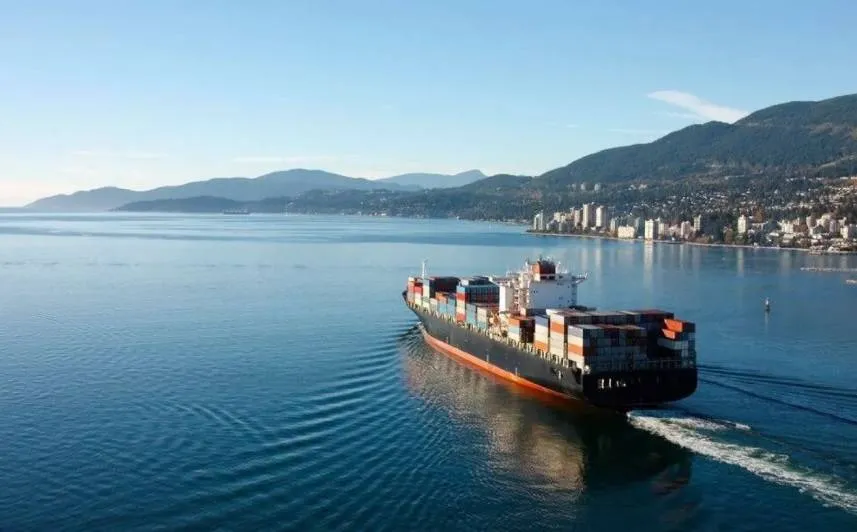
The Taiwanese government announced on Monday the redirection of its oil tankers to source crude oil from Saudi Arabia's Red Sea ports. This strategic decision is part of efforts to avoid the growing disruptions in the Strait of Hormuz. This move comes as oil prices have surged sharply due to escalating crises in the Middle East, where Iran has closed the vital oil and gas strait in response to U.S. and Israeli pressures.
Official data indicates that Taiwan relies on the Middle East for approximately 70% of its oil imports, with Saudi Arabia accounting for about 29% of this total. Other oil sources include the UAE, Qatar, Kuwait, Oman, and Iraq, while the United States contributes over 28% of the imports.
Details of the Event
Tsu Yu Hsin, Deputy Director-General of the Industrial Development Bureau at the Ministry of Economic Affairs, stated that Taiwan has adjusted its shipping routes to pass through the Red Sea or through spot purchases to cover any potential shortages. He explained that 46% of the supplies come from rerouted exports via the Red Sea, while 54% come through spot purchases. He confirmed that the current strategic reserve stock exceeds 140 days.
Tsu also noted that the government is confident in the availability of sufficient liquefied natural gas supplies until the end of June next year, with the possibility of compensating for any shortages from the spot market. Economic Affairs Minister Kung Ming-hsin affirmed that a major energy-producing country has offered to support Taiwan's liquefied natural gas needs, reflecting international cooperation in this area.
Background & Context
Taiwan is one of the countries that heavily depend on energy imports, especially from the Middle East, which is experiencing political tensions affecting the stability of oil supplies. Amid increasing crises, Taiwan is striving to secure its energy needs and avoid any negative impacts on its economy.
It is worth noting that the Taiwanese government has taken measures to protect consumers from the impact of rising energy prices, adopting a mechanism that absorbs 75% of fuel price increases. Additionally, the state-owned energy giant, CPC Corporation, announced a freeze on natural gas prices for households, while industrial users will see a 5% increase in prices.
Impact & Consequences
The Taiwanese government expects these measures to positively impact the stability of the local market, as it seeks to reduce the effects of fluctuations in global energy prices. These steps are anticipated to contribute to strengthening the local economy and providing energy at reasonable prices for consumers.
Moreover, cooperation with energy-producing countries may open new avenues for securing energy supplies, enhancing Taiwan's ability to face future challenges. At the same time, tensions in the Middle East remain a pressure factor on global markets, necessitating more caution in strategic planning.
Regional Significance
The Middle East is a vital hub for global energy supplies, and any disruptions there directly affect oil and gas prices in global markets. Taiwan's redirection of oil shipments from Red Sea ports may enhance trade relations between Arab countries and Taiwan, reflecting the importance of cooperation in the energy sector.
In conclusion, the situation in the Middle East remains under observation, as any new developments could impact the stability of global energy markets, prompting consuming countries to take proactive steps to ensure their energy supplies.