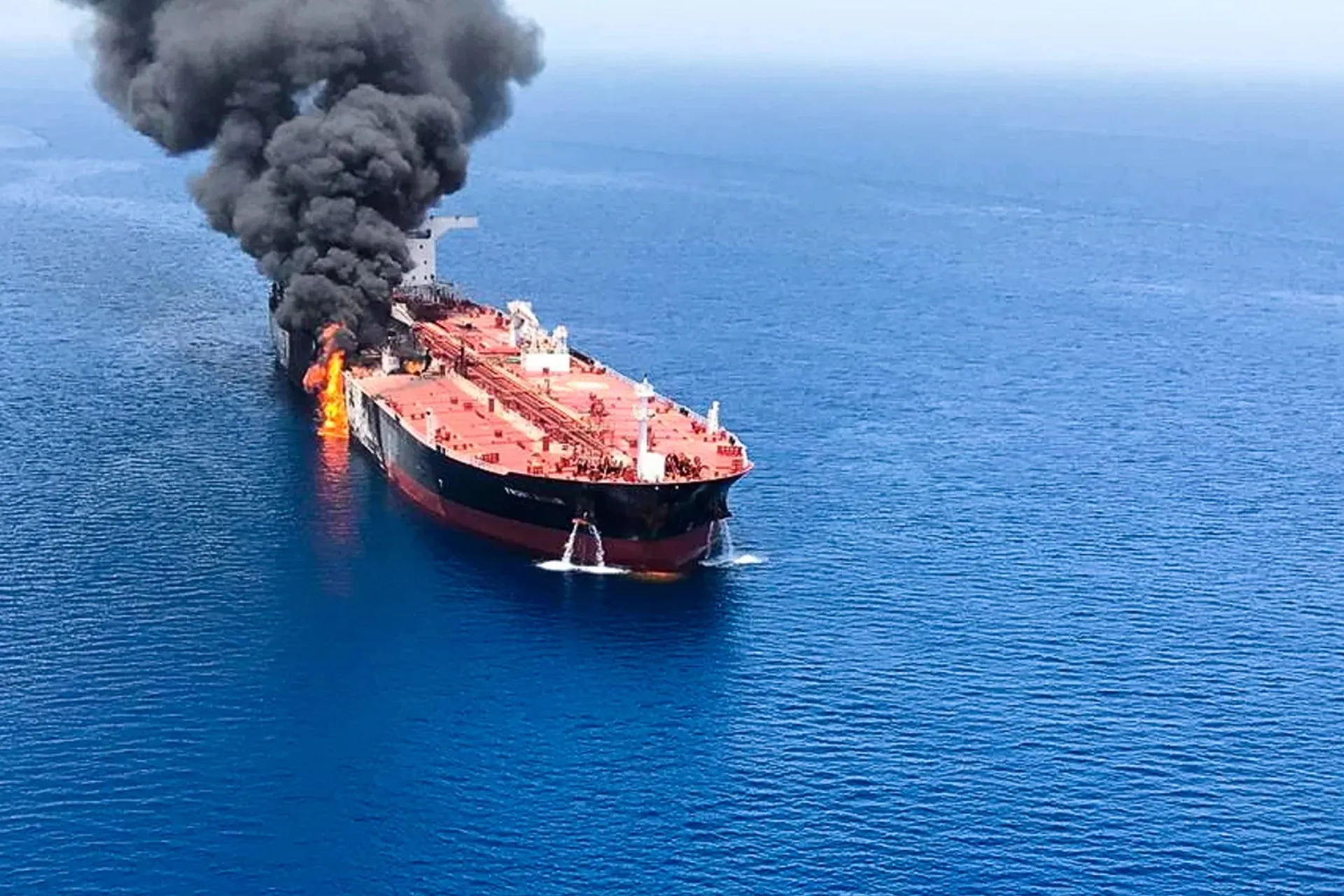
The targeting of the Assaluyeh petrochemical complex in southwestern Iran marks a turning point in global energy markets, as the impact of this targeting extends beyond the facility itself. The complex, which produces about 50% of Iran's total petrochemicals, represents the heart of the Iranian industry with investments reaching 40 billion dollars.
The repercussions of this attack go beyond physical damage, as reports indicate that the message being sent to the markets reflects an escalation in targeting, increasing uncertainty amid stalled negotiations between Iran and the United States. Analyst Bashar Halabi confirmed that the real impact lies in the signal sent to the markets regarding the continuity of tensions in the energy sector.
Details of the Incident
Amid rising tensions, Israel targeted the Assaluyeh complex and other energy facilities in Iran, while former U.S. President Donald Trump threatened to bomb these facilities if Iran did not accept an agreement by Tuesday evening. On the other hand, Iran threatened to launch strikes on energy facilities linked to the United States in the region, escalating the tension further.
The issue is evident in the Strait of Hormuz, where Iraq has not received official assurances from Iran allowing it to inform ship owners of safe passage. Iraq, which relies on exporting its oil through the port of Basra, faces significant challenges due to its lack of a dedicated fleet of tankers, increasing the risks faced by shipping companies.
Background & Context
As tensions escalate, tracking data revealed the passage of two tankers loaded with petroleum products, while 16 tankers flying the Indian flag remain stuck in the strait. This situation reflects the complexity of the regional landscape and its impact on global trade movements.
In a related context, Halabi noted that the OPEC+ alliance's decision to increase production by approximately 206,000 barrels per day in May comes as an attempt to calm the markets, but it carries clear warnings about the potential delays in rehabilitating the damaged facilities.
Impact & Consequences
Estimates for the repair period of the damaged facilities range from months to years, sending negative signals to the markets regarding the possibility of returning production to its normal levels. Halabi pointed out that even if the war were to stop today, there is a cumulative supply shortage extending over 5 weeks of the strait's closure, increasing pressure on prices.
For consuming countries, the situation remains complex. Europe and Asia are facing increasing pressures, as Europe may find it difficult to return to Russian oil and gas due to political considerations, while Asia has limited options but to pay any price to ensure the continuity of energy supplies.
Regional Significance
Arab countries are directly affected by these developments, as any escalation in the region could lead to rising oil prices, impacting their economies. Additionally, tensions in the Strait of Hormuz, considered a vital artery for oil trade, could lead to a deterioration of economic conditions in importing countries.
In conclusion, the situation in the region remains influenced by political and military tensions, requiring the concerned countries to take serious steps to avoid escalating conditions and ensure the stability of energy markets.