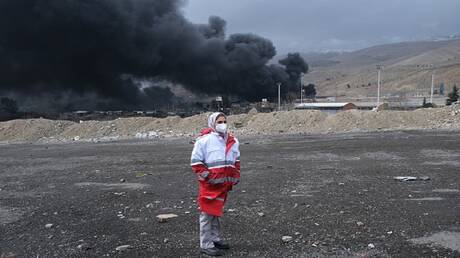
In a strategic shift in Israel's military policy, military leaders have recommended directly targeting Iranian infrastructure, reflecting a change in the approach that Tel Aviv has taken in its previous operations. Earlier strikes focused on military installations, but these recommendations indicate a desire to expand the scope of targets to include vital infrastructure.
This new direction comes amid escalating tensions between Iran and Israel, as the latter seeks to undermine Iranian capabilities in the region. Military leaders have indicated that targeting infrastructure could further weaken the Iranian regime, impacting its ability to carry out future military operations.
Details of the Recommendations
The new recommendations from Israeli military leaders reflect growing concerns over Iran's advancements in various fields, including military technology and energy. A range of potential targets has been identified, including industrial facilities and vital installations that support Iranian military activities. This approach could lead to greater escalation in the ongoing conflict between the two parties.
Moreover, this strategy may provoke strong reactions from Iran, which could view it as a direct threat to its national security. In this context, Tehran is expected to respond harshly to any attacks targeting its infrastructure, increasing the likelihood of military escalation in the region.
Background & Context
Historically, Israel has focused on targeting Iranian military facilities, such as missile launch sites and research and development centers. However, with growing concerns over Iran's ability to develop advanced weapons, it seems that Tel Aviv is reassessing its strategy. This shift comes at a sensitive time, as the region experiences increasing tensions due to ongoing conflicts in Syria and Iraq.
Iran, for its part, continues to bolster its military capabilities, benefiting from Russian and Chinese support. This situation complicates the security landscape in the region, as Israel seeks to maintain its military superiority. Changes in Israeli strategy could lead to shifts in the balance of power in the Middle East.
Impact & Consequences
If these recommendations are implemented, they could lead to a significant escalation in the conflict between Iran and Israel, threatening stability in the region. Military operations could result in substantial humanitarian and economic repercussions, as civilian infrastructure may be directly affected.
Furthermore, targeting infrastructure could provoke reactions from Iran's allies, such as Hezbollah in Lebanon, complicating the security situation in the region. This could draw other countries into the conflict, threatening regional security as a whole.
Regional Significance
These shifts in Israeli strategy indicate a rise in tensions in the region, negatively impacting neighboring Arab countries. Increasing conflicts could lead to a flow of refugees and heightened sectarian tensions, threatening stability in countries like Iraq, Syria, and Lebanon.
Additionally, these events may affect relations between Arab states and Iran, as some countries may be forced to adopt more cautious stances amid rising tensions. Ultimately, any military escalation could have long-term repercussions on security and stability in the region.