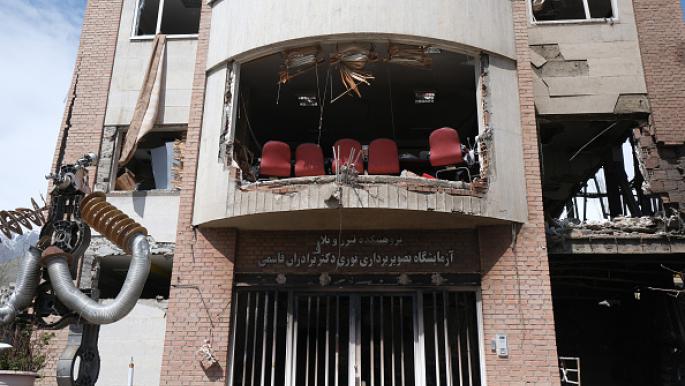
Iran's Minister of Science, Research, and Technology, Hossein Simaei Sarraf, revealed today that more than 30 Iranian universities have been attacked during the ongoing conflict in the country. These statements come amid escalating political and social tensions in Iran, raising concerns about the future of higher education in the country.
These attacks coincide with the multiple crises facing Iran, including popular protests and economic issues. The minister indicated that these attacks target educational infrastructure, which could negatively impact the educational process and scientific research at Iranian universities.
Details of the Attacks
According to the minister's statements, the attacks on Iranian universities include property destruction and vandalism of educational facilities. Reports have emerged of assaults on professors and students, heightening anxiety within academic circles. Simaei Sarraf also noted that these attacks not only reflect a state of chaos but also indicate a systematic targeting of science and knowledge in Iran.
At the same time, a number of Iranian doctors expressed their concerns regarding the health situation in the country, as they corresponded with the U.S. Secretary of Health to express their worries about the impact of the conflict on health services. This letter reflects the growing concern over the war's repercussions on various aspects of life in Iran.
Background & Context
Historically, Iran has witnessed numerous political and social crises that have significantly affected its educational system. Since the Islamic Revolution of 1979, Iranian universities have faced multiple challenges, including censorship of academic content and political interventions in educational affairs. These conditions have led to a decline in the quality of education in some fields, impacting Iranian students' ability to compete regionally and internationally.
In recent years, popular protests have surged in Iran, with citizens taking to the streets to demand political and social reforms. These protests, often accompanied by violent repression from authorities, have exacerbated the situation in the country, negatively affecting educational institutions.
Impact & Consequences
The repercussions of the attacks on Iranian universities extend beyond education, directly affecting the future of Iranian youth. If these attacks continue, it could lead to a decline in higher education standards, which would negatively reflect on the Iranian economy in the future. Additionally, the deterioration of the educational situation may drive many students to seek educational opportunities abroad, leading to a brain drain.
Furthermore, targeting universities may provoke international reactions, potentially increasing pressure on the Iranian government from the international community. Iran could face additional sanctions or criticism from human rights organizations, further isolating it on the global stage.
Regional Significance
The events in Iran have significant implications for the Arab region, as Iran's stability directly affects regional security. Any escalation in the Iranian conflict could have negative repercussions for neighboring countries, especially those grappling with internal conflicts like Iraq and Syria.
Moreover, the deterioration of the situation in Iran could lead to increased sectarian tensions in the region, as Iran plays a key role in supporting certain factions in Arab countries. This situation could exacerbate existing conflicts, complicating the political landscape in the region.
In conclusion, the situation in Iran remains a focal point for the world, as any new developments could significantly impact the future of the country and the entire region. It is essential to closely monitor events to understand the potential repercussions on regional security and stability.