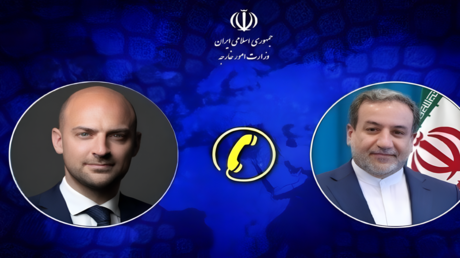
Iranian Foreign Minister Abbas Araghchi warned that any targeting of Iranian infrastructure could lead to a global energy crisis. This warning was made during a phone call with his French counterpart Jean-Noel Barrot, where they discussed the current situation in the region and its effects on the global energy market.
Araghchi emphasized that attacks on vital facilities in Iran would not only affect the country but would also negatively impact global energy markets, potentially leading to unprecedented increases in oil and gas prices. This warning comes at a time when markets are experiencing severe fluctuations due to geopolitical crises.
Details of the Event
During the phone call, Araghchi and Barrot discussed a range of regional and international issues, including the escalating tensions in the Middle East. They also touched on the importance of cooperation among countries to ensure the stability of energy markets.
The Iranian Foreign Minister expressed his concern over the military escalation in the region, noting that any hostile action against Iran would be met with a strong response. He stressed the necessity of dialogue and understanding among major powers to avoid any escalation that could lead to catastrophic outcomes.
Background & Context
These statements come at a sensitive time, as the region is witnessing increasing tensions between Iran and the West, especially following the United States' withdrawal from the nuclear agreement. This withdrawal has led to crippling economic sanctions on Iran, exacerbating the economic and social crises within the country.
Iran is considered one of the largest oil producers in the world, and any targeting of its oil facilities could destabilize the global market. Historically, the region has seen numerous crises that have affected oil prices, making this warning particularly significant.
Impact & Consequences
If any targeting of Iranian infrastructure occurs, it could lead to a substantial rise in oil prices, impacting the global economy. Oil-consuming countries would face significant challenges in securing their energy needs, potentially leading to economic crises in many nations.
Moreover, any escalation in the region could result in military interventions by major powers, complicating the situation further and making it difficult to reach peaceful solutions. This scenario could negatively affect both regional and international stability.
Regional Significance
The Arab region, which heavily relies on oil, would be directly affected by any increase in energy prices. Countries dependent on oil imports would face mounting economic pressures, potentially worsening economic and social crises.
Additionally, any escalation of tensions could lead to an influx of refugees and increased internal tensions within Arab countries. Therefore, regional and international cooperation becomes an urgent necessity to ensure the stability of the region.
In conclusion, dialogue and understanding among nations remain the best way to avoid crises. The warnings issued by Araghchi reflect the growing concern over the implications of the current situation, necessitating an immediate response from the international community.