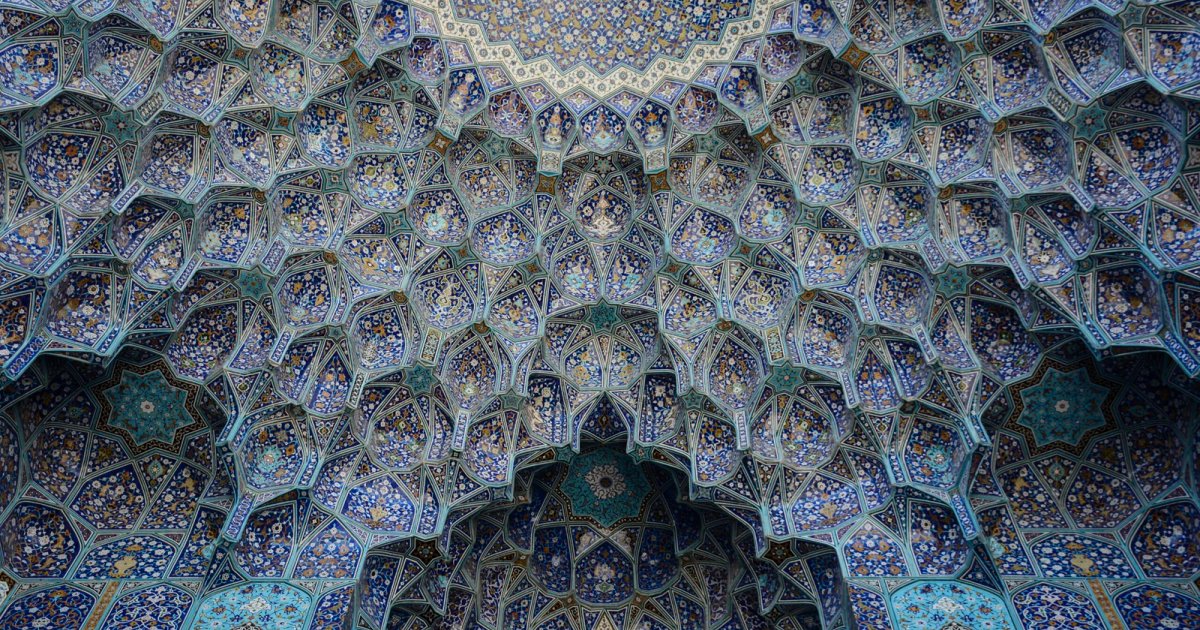
The risks facing the Iranian city of Isfahan transcend architectural dimensions, reaching deep into the Iranian psyche. In an article published by Bloomberg, writer Howard Chua-Eoan cautioned that the war on Iran is no longer limited to targeting military and nuclear facilities; it now aims at cultural symbols that are integral to the memory and identity of the country.
The author discusses the Jameh Mosque in Isfahan, which is considered one of the most prominent religious and architectural landmarks in Iran. He notes that any harm to this symbol could lead to repercussions that go beyond mere archaeological loss, inflicting a deep wound on the Iranian psyche, as the Jameh Mosque is viewed as a cornerstone of national and religious memory.
Details of the Event
The Isfahan Nuclear Technology Center is located about 20 kilometers from the Abbasi Mosque, making it a primary target of American and Israeli pressures. The reverberations from the bombing have caused damage to some windows and tiles of the mosque, despite it not suffering a direct hit. This highlights the importance of the Jameh Mosque, not just as an architectural landmark, but as a symbol with profound implications for Iranian identity.
The author recalls what happened after the destruction of American symbols during the September 11, 2001 attacks, which led to widespread psychological and political mobilization, prompting the United States to engage in prolonged wars. This comparison suggests that harming a symbol like the Jameh Mosque could provoke strong reactions that extend beyond Iran's borders.
Context and Background
Historically, Isfahan has been an important cultural center in Iran, witnessing numerous political and social events that contributed to shaping the country's identity. The Jameh Mosque, dating back to the 11th century, is a prominent example of Persian architecture and reflects the cultural and religious traditions of the Iranian people.
In recent years, tensions between Iran and the United States have escalated, increasing fears regarding the targeting of cultural symbols. This situation reflects the challenges Iran faces in preserving its cultural identity amid external pressures.
Consequences and Impact
If the targeting of cultural symbols continues, it could lead to an explosion of anger and a desire for revenge among Iranians, potentially expanding the conflict beyond military dimensions. Mosques and historical landmarks are not merely structures; they embody the identity and collective memory of peoples.
This could provoke strong reactions from the international community, as harming cultural symbols may raise widespread concerns about human rights and the preservation of cultural heritage. Therefore, war threatens not only human lives but also the meanings that shape the identity of nations.
Impact on the Arab Region
Events in Iran are significantly influential on the Arab region. Tensions in Iran could destabilize neighboring countries, prompting Arab nations to adopt cautious stances. Additionally, harming cultural symbols may evoke feelings of solidarity between Arab and Iranian peoples, reflecting the importance of culture in building relationships between nations.
In conclusion, targeting cultural symbols in Isfahan poses a threat not only to Iran but could also lead to widespread repercussions affecting the entire region. Preserving cultural identity is vital in facing current challenges.