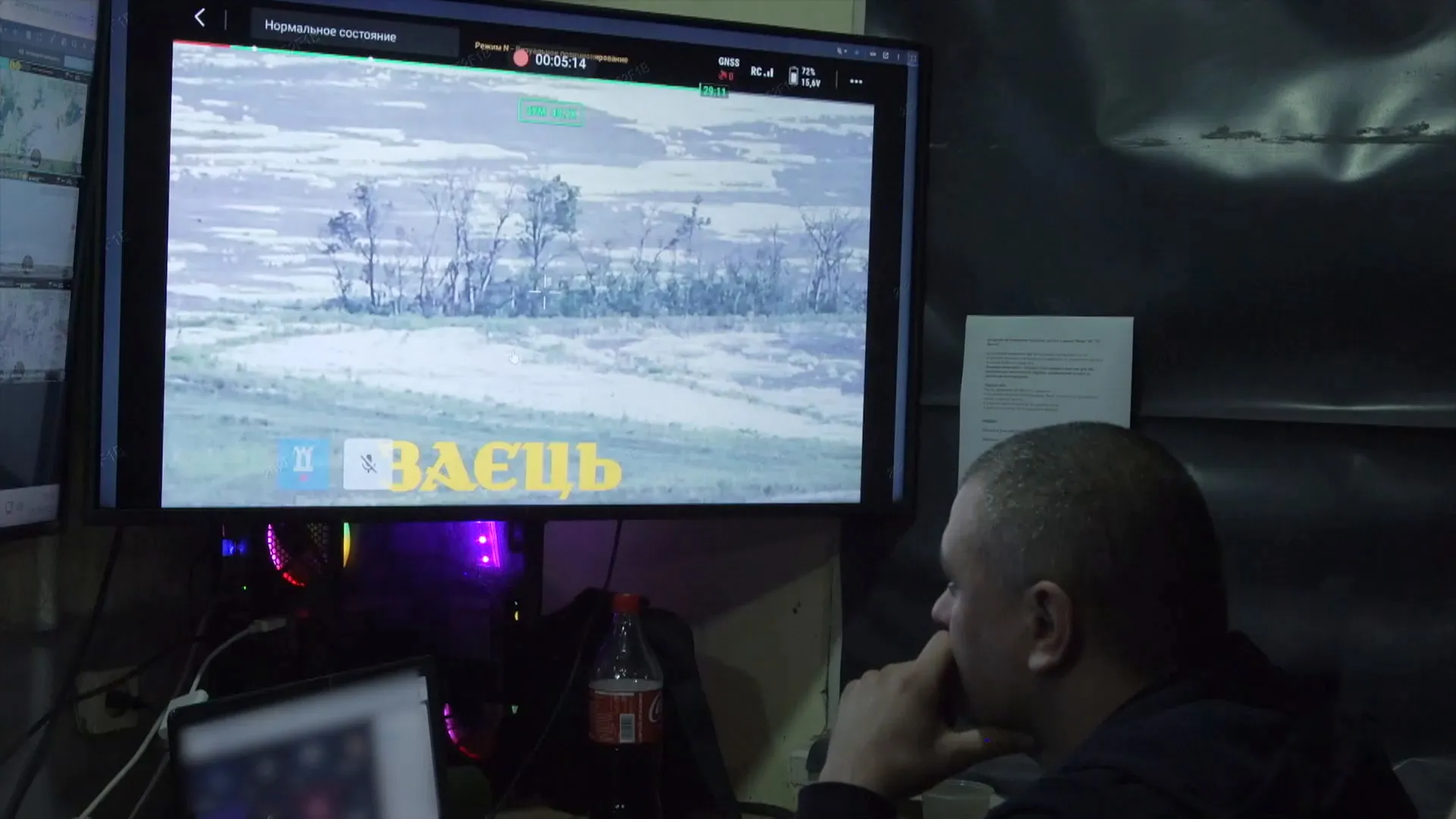
The episode of 'Smart Life' aired on April 28, 2026, highlights the technological transformations reshaping global security and intelligence concepts, focusing on the 'Ghost Mirror' device and its role in modern warfare.
The episode delves into the scientific debate surrounding the 'Ghost Mirror' device, also known as the 'Phantom Whisper,' which former U.S. President Donald Trump referred to as a revolutionary tool for remotely detecting heartbeats. Discussions were presented regarding the potential use of quantum magnetic measurement for pinpointing vital locations, contrasted with the hypothesis of its use as a weapon in psychological warfare to enhance American technological dominance.
Event Details
The episode recounts the story of an American pilot whose location was reportedly pinpointed within Iranian territory with surgical precision, raising questions about the effectiveness of this technology in modern military conflicts. The rapid privatization of space intelligence was also discussed, as commercial companies like 'Vantor' and 'Planet Labs' provide a digital twin of the Earth with accuracy up to 20 cm and periodic updates every fifteen minutes.
The report revealed the darker side of this technology, characterized by 'selective transparency,' where the world is supplied with precise images and intelligence regarding the war in Ukraine, while systematic obfuscation (Shutter Control) is practiced on military movements and other conflicts in the Gulf region based on government requests. This raises concerns about the credibility of this data and historical accountability.
Background & Context
In recent years, modern warfare has witnessed a significant shift in the use of technology, with modern tools playing a pivotal role in determining the outcomes of conflicts. By utilizing advanced tools like the 'Ghost Mirror,' nations can enhance their intelligence capabilities and achieve strategic superiority over their adversaries.
The increasing privatization of intelligence reflects a transformation in how information is managed, with private companies playing a crucial role in providing intelligence data, raising questions about the ethical and legal dimensions of using this information.
Impact & Consequences
The use of modern technologies in warfare can lead to radical changes in how conflicts are managed. While Ukraine achieves significant success with the 'Sky Fortress' network relying on inexpensive microphones, global companies are racing to integrate senses (sound, heat, signals) into smart interception platforms.
However, the leakage of these sensing technologies into the civilian space for surveillance purposes raises fears of a new era where the voices of the secure are stifled under the guise of national security. This necessitates the international community to impose strict regulations to govern the use of these technologies.
Regional Significance
In the Arab region, these technological developments may significantly impact security and stability. With the increasing use of modern technologies in conflicts, it becomes essential for Arab countries to adopt effective strategies to address new security challenges.
Moreover, enhancing intelligence capabilities through technology can contribute to improving internal security, but it also requires consideration of human rights and civil liberties.
In conclusion, technological transformations in the field of security and intelligence open new horizons, but they carry significant challenges that require the international community to collaborate in establishing regulatory frameworks to ensure the responsible use of these technologies.