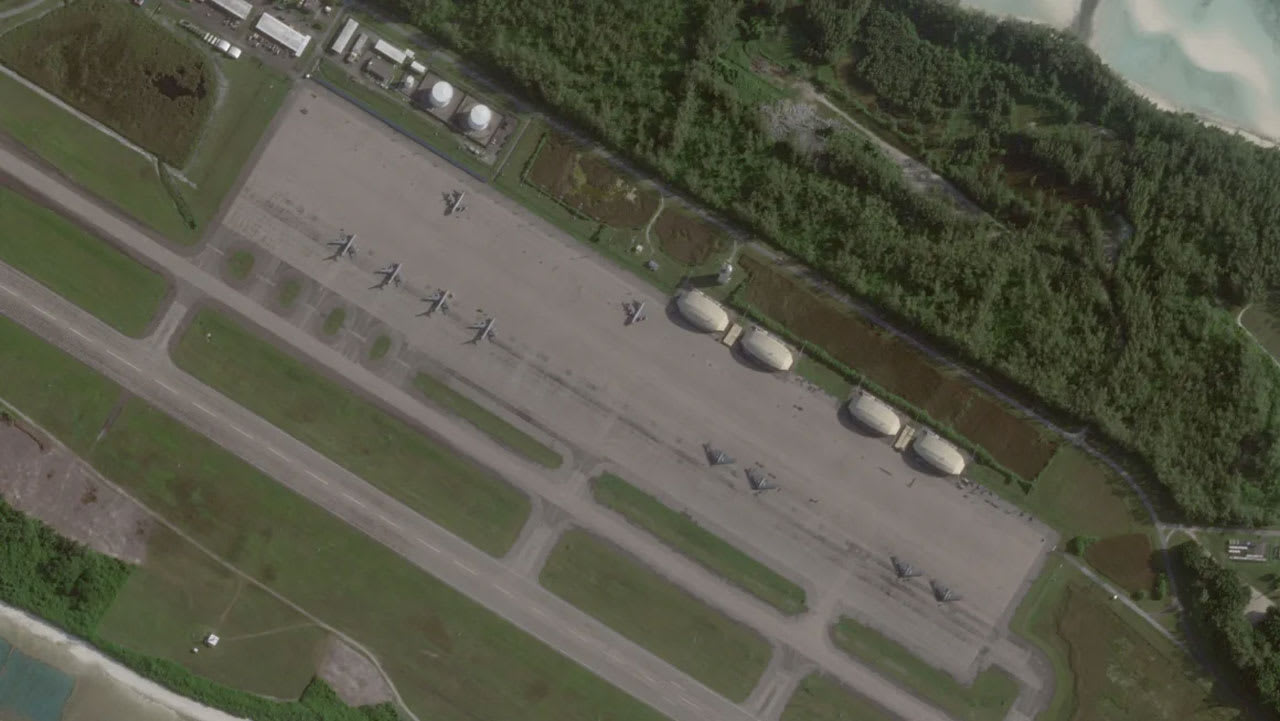
In a significant military development, Iran has targeted the British island of Diego Garcia located in the Indian Ocean, which is utilized by U.S. forces with support from the British government. This move not only took many by surprise but also unveiled new military capabilities of Tehran, believed to have missiles with a range of approximately 4,000 km, prompting a reassessment of regional and international security.
Diego Garcia is a critical strategic hub for the U.S. military, serving as a launch pad for military operations in both the Middle East and Asia. Its targeting can be seen as a strong message from Iran to major powers that it has the ability to expand its threats.
These events come amid heightened tensions between Iran and the United States, as political and economic pressures continue on Tehran due to Western sanctions. Recent reports have revealed that Iran has made significant progress in its missile programs, causing European capitals to remain on high alert.
It is important to note that Iran has repeatedly confirmed its view that missiles are a strategic weapon for maintaining its sovereignty, which increases concern among neighboring countries and the West alike. According to military experts, this show of force could change the rules of the game and provide Tehran with more dangerous options in confronting sanctions.
The potential consequences of this attack are far-reaching. Iran might resort to using these missiles if it feels threatened militarily, which poses a significant risk to European security. Conversely, this situation raises fears of a possible arms race in the region, necessitating preventative actions from European governments.
The repercussions of this escalation directly extend to the Middle East, as this step could affect relations between Arab states and Iran. Many Arab countries are concerned about these developments and may seek to enhance their military capabilities in response to these threats.
In this context, there is a growing tension in the relationships between Iran and Arab nations, indicating a state of instability in the region. These events present an opportunity for many Arab countries to reassess their security strategies and collaborate with international allies. The escalation of tensions could significantly impact the economy and regional security.
Finally, the current situation requires international efforts to contain this tension. Using dialogue as a means to reach effective solutions will be key to averting the risks of potential conflict. The situations in the region and the role of major powers will be central in determining the extent to which these crises escalate in the long term.