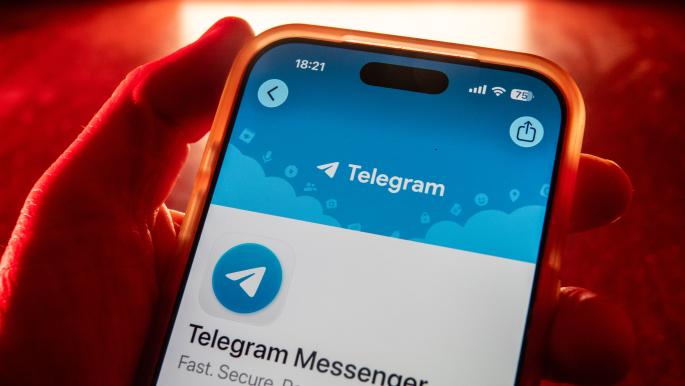
The significance of the Telegram application is evident in the ongoing conflict between Iran and Israel, where it has become a primary platform for hacking operations and narrative battles. This shift reflects a transformation in the nature of modern warfare.
Amid escalating tensions between Tehran and Tel Aviv, Telegram has emerged as a new battleground for digital warfare, where information and news are exchanged, alongside the dissemination of propaganda and disinformation. This platform, which allows users to communicate securely, has become an effective means for both parties to bolster their narratives.
Details of the Digital Conflict
Iran seeks to enhance its digital presence through the use of Telegram, disseminating information related to military operations and political developments. In response, Israel counters by hacking accounts and groups on Telegram, aiming to undermine Iranian narratives and expose what it deems threats. These digital operations represent part of a broader strategy that includes psychological warfare and media manipulation.
These digital battles also involve the use of advanced tools such as malware and electronic intrusions, making Telegram an unconventional battleground. Reports have shown that both sides are investing in developing their digital capabilities, further complicating the ongoing conflict.
Background & Context
Historically, Iran and Israel have been in a continuous state of conflict, competing for influence in the Middle East. As technology has evolved, this rivalry has transitioned into the digital space, making it essential for each side to develop new strategies to counter threats. Telegram, which enjoys significant popularity in the region, has become an ideal platform for this type of conflict.
It is noteworthy that the use of Telegram in conflicts is not limited to Iran and Israel; many other disputes in the region have seen similar usage. This phenomenon reflects a shift in how wars are managed, with information and communications becoming integral parts of military strategies.
Impact & Consequences
The digital battles underscore the importance of cyberspace in modern conflicts, where misinformation can influence public opinion and alter the course of events. Controlling digital narratives can enhance any party's position in the conflict, making it crucial to understand how to manage these battles.
This phenomenon also raises issues related to cybersecurity and freedom of expression, as hacking and disinformation can have severe consequences for societies. In this context, governments and civil societies must be aware of these challenges and take steps to protect information and data.
Regional Significance
The repercussions of the digital conflict between Iran and Israel extend beyond national borders, potentially affecting neighboring Arab countries. Amid rising tensions, these nations may find themselves in the crossfire of digital warfare, necessitating the enhancement of their cybersecurity capabilities.
Moreover, the use of Telegram as a platform for digital warfare may open the door for other groups in the region to exploit these tools in their own conflicts, further complicating the security landscape in the Middle East.
In conclusion, Telegram represents a new battleground in the conflict between Iran and Israel, where technology intersects with politics, highlighting the importance of the digital space in contemporary wars. This new reality requires states and societies to be more prepared to face the digital challenges that may impact their security and stability.