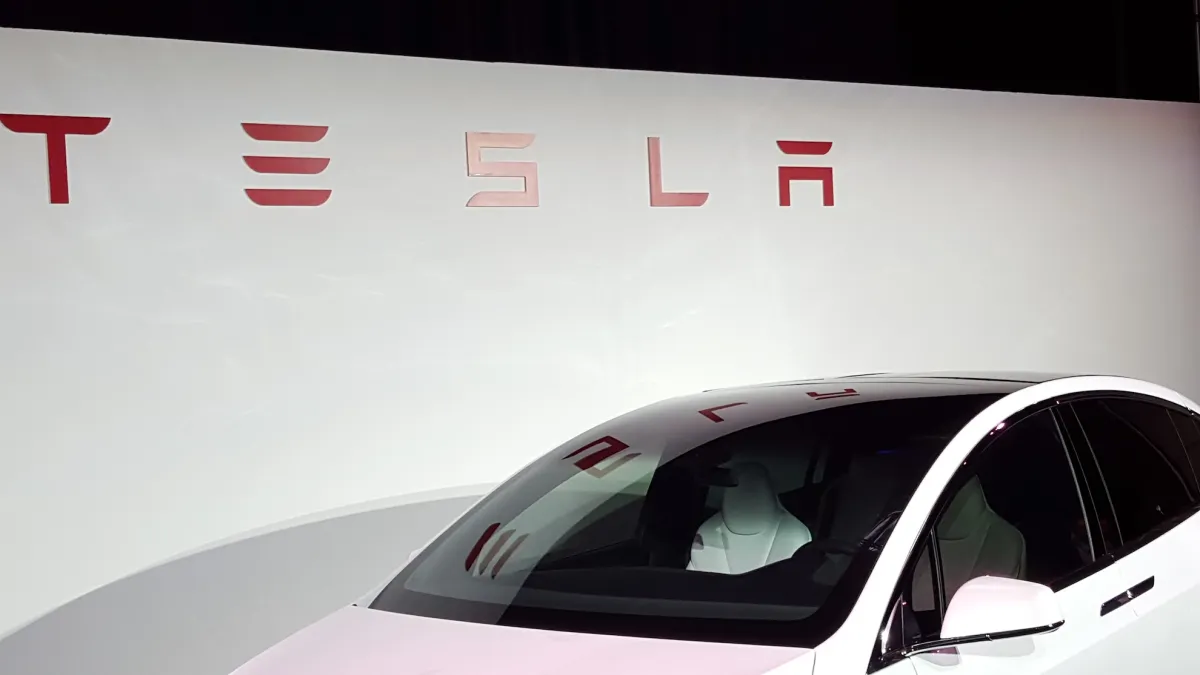
Tesla, the American electric vehicle manufacturer, has announced the impending end of production for its X and S models, marking a significant shift in its future strategy. This decision comes at a crucial time for the company as it focuses its efforts on launching the new Cybercab, alongside ramping up production of the Optimus robot.
The X and S models were among the first electric vehicles to gain widespread recognition in the market, significantly contributing to Tesla's reputation as a leading company in the electric vehicle sector. However, it seems the company is now looking to redirect its resources towards new innovations that it hopes will enhance its market position.
Details of the Announcement
Tesla, founded by Elon Musk, launched the X and S models in previous years, achieving great success thanks to their unique design and high performance. Nevertheless, the company is now looking to the future, focusing on the development of the Cybercab, a self-driving electric vehicle aimed at transforming urban transportation.
The Cybercab is part of Tesla's vision to provide sustainable and intelligent transportation solutions, with the company expecting this vehicle to offer competitive transportation services, making it an attractive option for users in major cities.
Background & Context
Tesla was founded in 2003, and since then has become a symbol of innovation in the automotive industry. The X and S models were among the first electric vehicles to achieve massive sales, helping to change public perception of electric cars. However, the market is rapidly changing, and Tesla faces increasing competition from both new and established companies.
In recent years, many other companies have begun developing electric vehicles, increasing the challenges Tesla faces. Therefore, focusing on the Cybercab and the Optimus robot represents an important strategic step to maintain its market leadership.
Impact & Consequences
This move could lead to significant changes in the electric vehicle market, as Tesla seeks to introduce new products that meet the evolving needs of consumers. If the Cybercab succeeds in achieving its objectives, it could become a model for the transportation industry.
Additionally, large-scale production of the Optimus robot could open new horizons for Tesla, as it can be utilized in various fields, including industry and logistics. This could enhance the company's ability to expand into new markets.
Regional Significance
With the growing interest in electric vehicles in the Arab region, Tesla's shift towards the Cybercab could have a significant impact on the local market. Many Arab countries, such as the UAE and Saudi Arabia, are investing in developing infrastructure for electric vehicles, making them potential markets for Tesla's new products.
If Tesla can offer the Cybercab at competitive prices, it may contribute to enhancing the use of electric vehicles in the region, aiding in achieving environmental sustainability goals.
In conclusion, the transition from the X and S models to the Cybercab represents a bold step for Tesla as the company seeks to innovate and adapt to market changes. It remains to be seen how this move will affect Tesla's future and the electric vehicle industry as a whole.