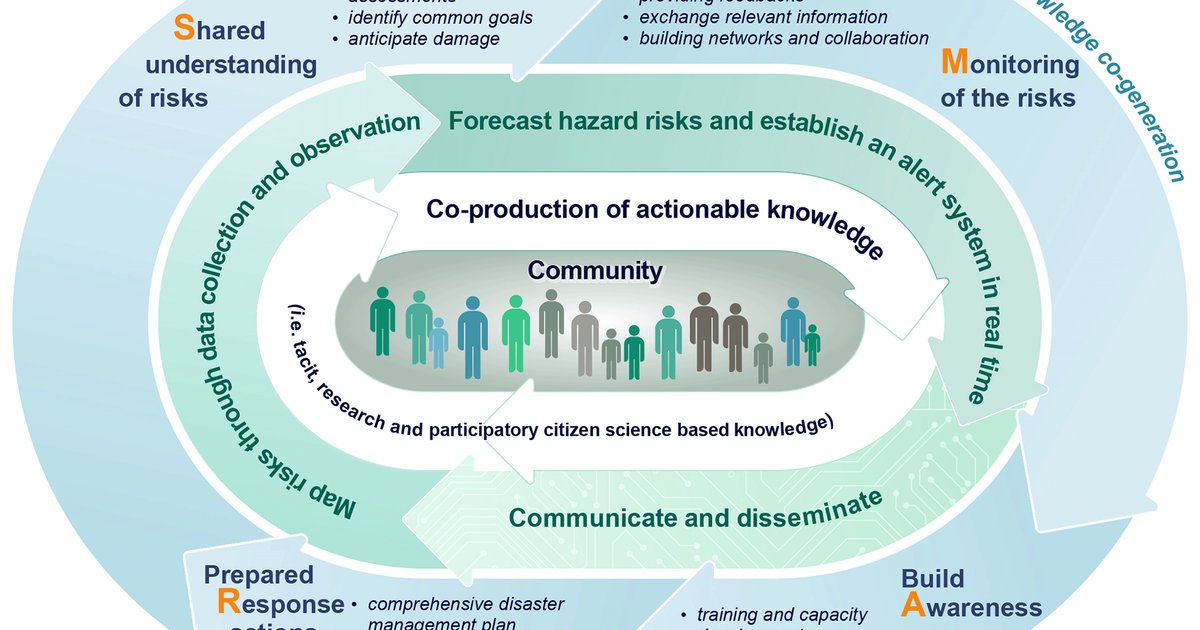
In a move aimed at enhancing public safety, the Indonesian National Disaster Management Agency (BNPB) conducted a test of an early flood warning system in Banda Aceh. This test was part of the celebration for Disaster Preparedness Day 2026, which focuses on improving the effectiveness of systems used to respond to natural disasters.
BNPB Chief Suhariyanto confirmed that the goal of this test is to ensure that the systems operate efficiently and provide accurate alerts to the population. He explained that these systems rely on the immediate detection of rising water levels in rivers, with data being sent to the local disaster management control center.
Details of the Event
The test involved activating alarm devices in several locations, including residential areas and public spaces such as car-free zones. The alarms were activated at 10:00 AM, allowing residents the opportunity to head to designated evacuation centers.
The test aimed to raise citizen awareness on how to respond to alerts, with Suhariyanto emphasizing that disaster preparedness requires not only the presence of devices but also an understanding of how to use them within the community.
Background & Context
Indonesia is considered one of the countries most prone to natural disasters, including floods and earthquakes. Historically, the country has experienced several disasters that have resulted in loss of life and property destruction. Therefore, developing effective early warning systems is vital for protecting the population.
The importance of these systems is increasing with the rise of climate change, which affects weather patterns and increases the likelihood of floods. Hence, continuous testing is essential to ensure the readiness of these systems.
Impact & Consequences
Early warning systems can help reduce the number of casualties during emergencies. By providing advance alerts, residents can take necessary actions to move away from hazardous areas. This is what Suhariyanto hopes to achieve through the improvement of these systems.
Effective disaster response requires cooperation between the government and the community. Therefore, raising public awareness on how to act during disasters is an integral part of preparedness.
Regional Significance
Many Arab countries also face similar challenges in dealing with natural disasters, such as floods and sandstorms. Thus, sharing experiences and technologies used in Indonesia could benefit Arab nations in improving their disaster response.
This Indonesian experience serves as a model, where Arab countries can benefit from developing effective early warning systems to protect their citizens from potential hazards.