Thai Prime Minister Anutin Charnvirakul has rejected allegations suggesting that his government favors business interests linked to the fuel price crisis, emphasizing that the government operates according to principles of accountability to the people. He clarified that the government exists to serve the citizens, and no one can be more important than the people who elected them.
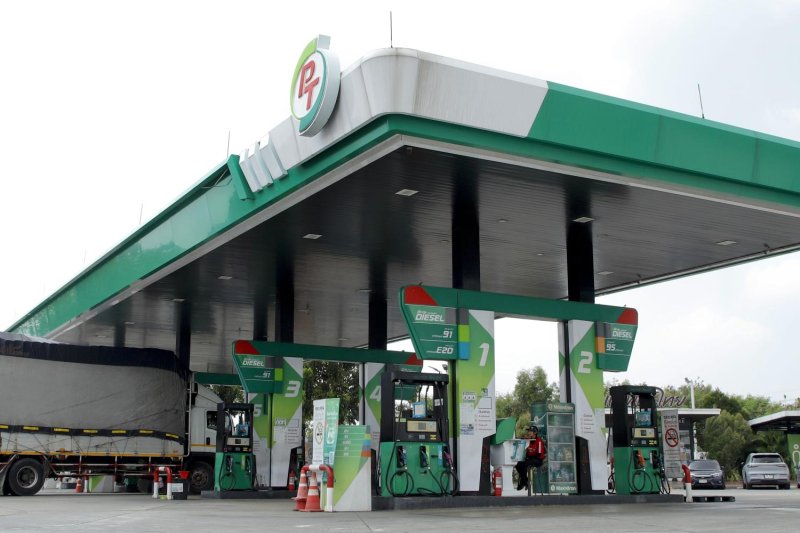
Charnvirakul's statements come at a time when public anger is escalating against Deputy Prime Minister and Transport Minister Vipat Ratchakitprakarn, as online calls to boycott PT gas stations spread, amid claims of a conflict of interest related to his family's energy business.
Details of the Incident
Criticism has intensified following a sharp rise in diesel prices, increasing scrutiny on Ratchakitprakarn's role as a former director of the Joint Management and Monitoring Center for the Middle East situation. Critics point out that his position overseeing the fuel crisis conflicts with his family's ownership of PT stations, which is considered the second-largest fuel station network in Thailand.
In an attempt to alleviate public concern, Charnvirakul reassigned leadership of the crisis management center to Deputy Prime Minister Ekkanit Nithanpras, in a move aimed at preventing the situation from worsening. The online outrage has sparked widespread reactions, including a post from a transport company owner urging drivers to stop using PT stations and return their company fuel cards.
Background & Context
Thailand faces significant challenges in the energy sector, as external factors impact energy markets, complicating the situation further. Recently, the country has seen a notable increase in fuel prices, affecting the operating costs for many businesses, with the cost of refueling a 400-liter truck rising from approximately 12,000 baht to as much as 17,000 baht.
This price hike adds additional pressure on the Thai economy, which heavily relies on the transport and shipping sector. A logistics operator in Phuang Kan criticized the timing of the price increase, noting that sudden hikes make it difficult for drivers to refuel in a timely manner.
Impact & Consequences
The repercussions of the current fuel crisis extend beyond Thailand, affecting the regional economy and raising concerns about transparency in fuel price management. Public anger towards the government reflects dissatisfaction with how it has handled economic crises, which may impact its popularity in the future.
This crisis may also open the floor for further discussion on the importance of transparency and accountability in government, especially amid the challenging economic conditions the country faces. These events could serve as a test of the government's ability to effectively manage crises.
Regional Significance
The fuel crisis in Thailand exemplifies the challenges faced by many countries in the energy sector, including Arab nations. Some Arab countries are experiencing rising fuel prices due to global market fluctuations, impacting local economies and increasing the cost of living.
Arab nations should learn from Thailand's experience in managing economic crises and enhance transparency and accountability in their governments to ensure market stability and protect citizens' interests.
In light of escalating economic crises, the role of governments remains crucial in maintaining citizens' trust, requiring effective and transparent responses to avoid exacerbating situations.