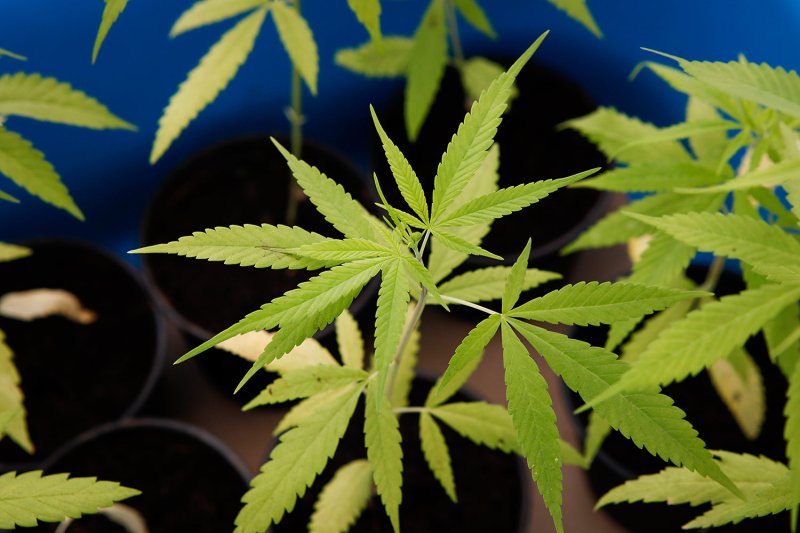
The Ministry of Public Health in Thailand has announced the initiation of a process to restrict cannabis use in the country to medical purposes only, granting shops that sell cannabis a three-year deadline to transform into medical clinics. This decision is part of the government's efforts to ensure the legal and safe use of cannabis, following years of legal uncertainty and political fluctuations that followed the decriminalization of cannabis in 2022.
In a statement, Minister of Public Health Anutin Charnvirakul confirmed that medical clinics will be subject to the Medical Facilities Act, ensuring access to cannabis for medical treatment under the supervision of certified professionals, including doctors and practitioners of traditional Thai medicine. He noted that there are approximately 11,000 registered cannabis shops in the country, with expectations that around 40% of their licenses will expire within the next three years.
Details of the Announcement
The Thai government aims through this decision to regulate the cannabis market and ensure its safe and effective use. Minister Charnvirakul explained that the ministry is prepared to collaborate with private companies in developing the cannabis industry, pointing to strong demand for unprocessed cannabis, which can be used in extraction or processing operations.
It is noteworthy that Thailand was the first country in Asia to decriminalize cannabis, but it has faced challenges in regulating its use, leading to widespread recreational use, particularly in tourist areas, which has sparked repeated public complaints.
Background & Context
In 2022, the leader of the Bhumjaithai Party, Anutin Charnvirakul, launched a policy aimed at creating a cannabis-based economy, where a ministerial announcement was issued to remove cannabis from the list of narcotics. However, the absence of clear laws and specific regulations led to a random proliferation of cannabis shops, contributing to the spread of recreational use.
Four years after the decriminalization of cannabis, there remains legal ambiguity, despite expectations that Anutin and his party will seek to clarify legislation once the new government takes office. This highlights the urgent need for a legal framework to regulate cannabis use in the country.
Impact & Consequences
This move is expected to significantly reduce the number of cannabis shops, with around 2,000 licensed clinics anticipated to remain after the deadline. This transition could help improve the quality of health services related to cannabis use and enhance medical treatment opportunities for patients in need of this type of therapy.
Moreover, regulating the cannabis market may create new job opportunities and boost the local economy, especially amid growing demand for cannabis-based medical products. However, the biggest challenge remains how to effectively implement these policies to ensure that past mistakes are not repeated.
Regional Significance
Thailand's experience in regulating cannabis use serves as an important lesson for Arab countries considering exploring cannabis for medical purposes. In light of global trends towards cannabis legalization, it may be beneficial for Arab nations to carefully study this experience, especially given the increasing need for alternative therapies.
In conclusion, the Thai government's decision represents a significant step towards regulating cannabis use and reflects the global trend towards its medical application. It remains to be seen how these policies will affect the local market and the health of citizens in Thailand.