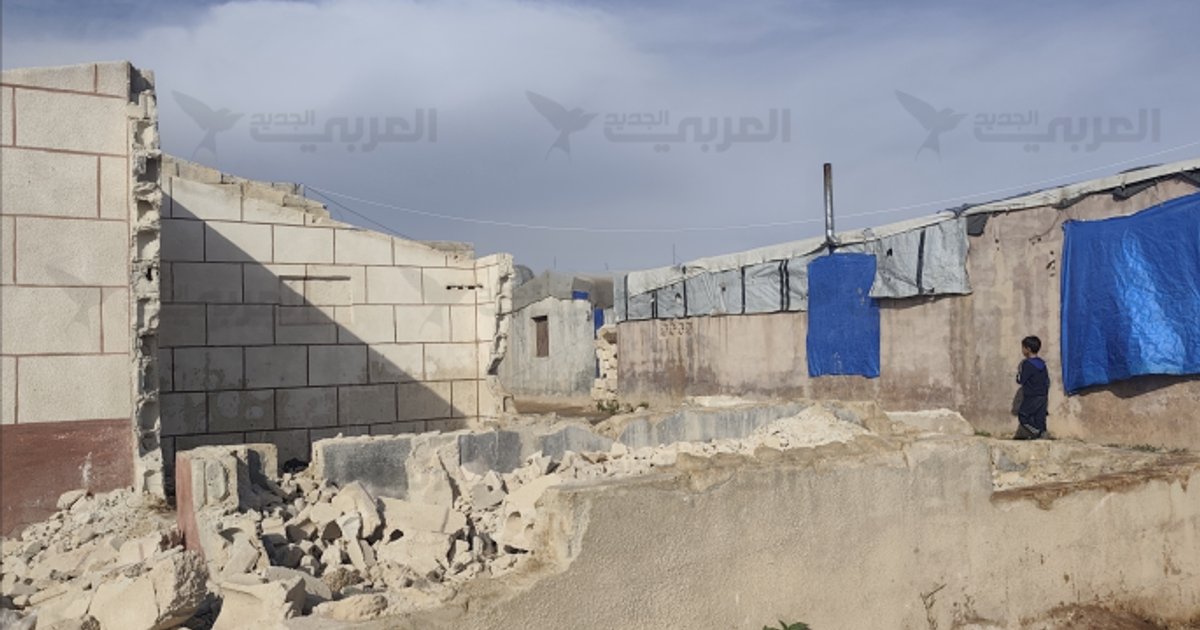
Idlib province continues to face serious environmental and health challenges, as a heavy dust cloud has lingered in its skies for several days. This cloud is not just a winter fog; it is thick dust that infiltrates homes and negatively affects the health of citizens, particularly those suffering from asthma and allergies.
Reports indicate that this weather phenomenon has been exacerbated by prevailing climatic conditions, including rising temperatures and a lack of rainfall. Doctors have warned that these conditions could lead to an increase in asthma and bronchitis cases, necessitating urgent measures to protect the health of the population.
Details of the Event
Images and videos circulating on social media depict the city of Idlib surrounded by dense fog, hindering visibility and making mobility difficult. Residents in the area have reported experiencing breathing difficulties, prompting many to seek medical assistance.
In light of these circumstances, local health centers have issued warnings to citizens, urging them to avoid leaving their homes except for essential needs and to wear protective masks when going outside. The importance of taking prescribed medications for asthma and allergy patients has also been emphasized.
Background & Context
Idlib is considered one of the regions suffering from multiple crises, having been significantly affected by the ongoing conflict in Syria. This conflict has led to the deterioration of health and environmental infrastructure, making residents more vulnerable to such challenges. Additionally, climate change plays a crucial role in exacerbating these crises.
In recent years, Idlib has witnessed notable climatic changes, with an increase in the severity of sand and dust storms. While these phenomena are not new, they have become more frequent and intense, raising concerns among residents and health authorities.
Impact & Consequences
The current dust cloud is affecting the daily lives of residents, who are facing difficulties in breathing and carrying out everyday activities. These conditions may also increase the pressure on the local health system, which is already struggling with resource shortages.
This phenomenon is expected to persist for some time, requiring a swift response from relevant authorities. Local and international authorities must provide necessary support to residents, including the provision of medications and medical equipment.
Regional Significance
Idlib serves as a model for the environmental and health challenges facing many Arab regions. With the increase in climatic changes, other countries in the region may witness similar phenomena, necessitating preventive and awareness-raising measures.
What is happening in Idlib highlights the importance of regional and international cooperation to address environmental and health challenges, as these issues do not recognize borders.