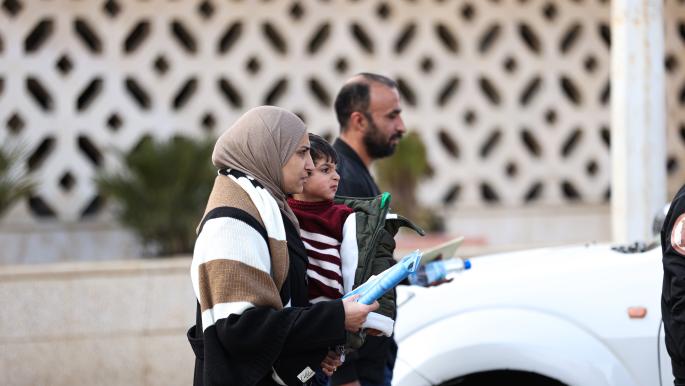
Thousands of Syrians in Lebanon are facing new challenges that compel them to return to their homeland after years of exile. This shift reflects the ongoing plight of 'circular migration' that many refugees continue to experience, as many of these refugees are forced to reverse the path of their journey taken years ago.
This return comes at a time when economic and social pressures on Syrians in Lebanon are increasing, with many struggling to secure a livelihood. As living conditions deteriorate, many Syrians find themselves compelled to return to their original areas, despite the risks they may face there.
Details of the Situation
Reports indicate that returning to Syria is not an easy option, as returnees face challenges related to security and stability. Many returnees express their concerns about the security situation in their areas, yet the need for livelihood security drives them to take this step.
The motivations for return vary among individuals; some seek to reunite with their families, while others hope to improve their living conditions. However, the most pressing question remains: will their return provide them with the security and opportunities they are searching for?
Background & Context
Since the onset of the conflict in Syria in 2011, the country has witnessed successive waves of displacement and asylum. Lebanon, which hosts over one million Syrian refugees, has become a starting point for many who fled the conflict. However, the deteriorating economic conditions in Lebanon, exacerbated by political and financial crises, have made life there extremely difficult.
In recent years, some areas in Syria have begun to experience relative improvements in security conditions, prompting some refugees to consider returning. Nevertheless, returning does not necessarily mean that conditions will be better, as there are still many challenges facing returnees.
Impact & Consequences
The return of Syrian refugees affects the economic and social conditions in both Lebanon and Syria. In Lebanon, the return of refugees may alleviate some pressures on local resources, but it may also raise concerns among local populations about competition for jobs and resources.
In Syria, the return of refugees could contribute to rebuilding the community, but it also requires significant investments in infrastructure and basic services. The Syrian government needs to provide a safe and stable environment to welcome returnees, which necessitates substantial efforts from the international community.
Regional Significance
The Syrian refugee crisis is considered one of the largest humanitarian crises in the region, with wide-ranging impacts on neighboring countries. The return of refugees may lead to changes in social and economic dynamics in the region, as host countries strive to address the challenges associated with asylum.
In light of these circumstances, there remains hope that Arab countries can cooperate to find sustainable solutions to the refugee crisis, ensuring their rights and dignity.
In conclusion, the return of Syrian refugees from Lebanon to their homeland is a complex issue that requires careful study and a deep understanding of the challenges and opportunities available. The hope for a better life drives many to take this step, but the realities on the ground may be more complicated than some might imagine.