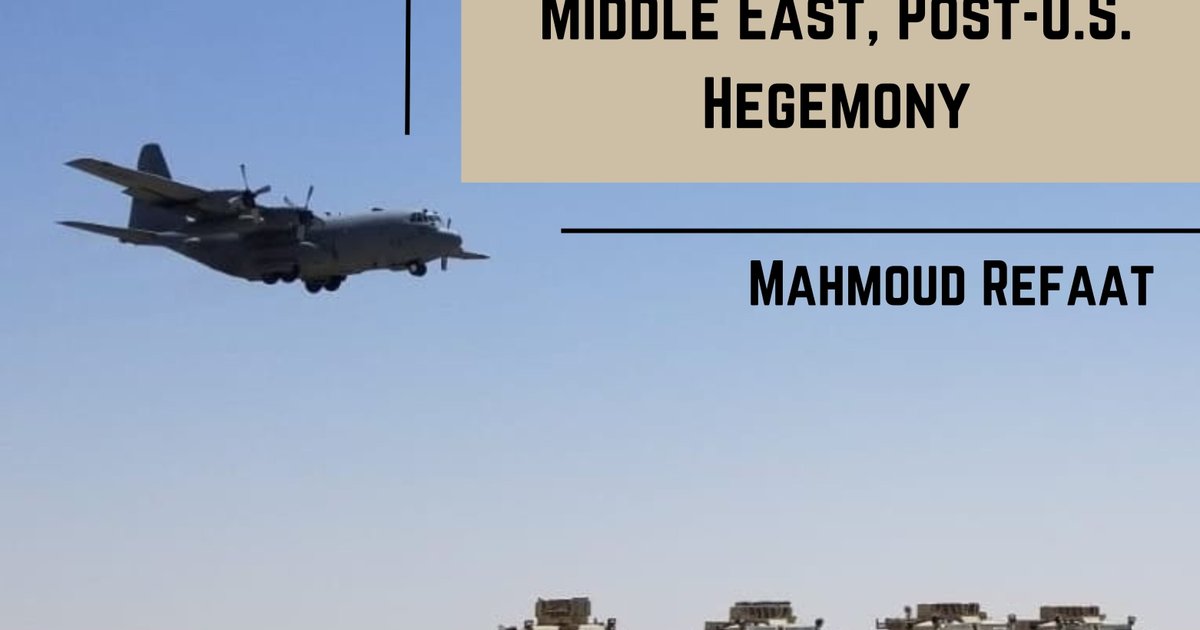
Attention is focused on three potential scenarios that could determine the course of events in the Arab region. These scenarios reflect the challenges and opportunities that countries may face in the near future.
In light of global political and economic changes, questions are increasing about how these variables will affect the Arab region. The three proposed scenarios include: the continuation of the status quo, radical changes in political systems, or the escalation of regional tensions.
Details of the Event
The first scenario, the continuation of the status quo, means that countries will continue to face current challenges without significant changes. This scenario may lead to further temporary stability, but it may leave many unresolved issues.
The second scenario relates to radical changes in political systems, where some countries may witness democratic transformations or even popular revolutions. This scenario could open the door to new opportunities for development, but it carries the risks of instability.
The third scenario predicts an escalation of regional tensions, which could lead to new conflicts or exacerbate existing crises. This scenario requires a swift response from the international community to ensure peace and security in the region.
Background & Context
Historically, the Arab region has witnessed many political and social transformations. From the Arab Spring to economic crises, these events have served as turning points in the history of Arab countries. This background reflects the importance of understanding potential scenarios and their impact on the future.
Internal and external factors intertwine in shaping the future of the region. Climate change, economic crises, and armed conflicts all play a significant role in determining the path that Arab countries will take.
Impact & Consequences
If the first scenario materializes, relative stability may lead to improved living conditions, but corruption and inequality may persist. In the case of the second scenario, political transformations could lead to significant improvements in human rights and freedoms, but they may face resistance from existing regimes.
In the third scenario, escalating tensions could exacerbate humanitarian crises, necessitating urgent international interventions. This scenario could negatively impact foreign investments and increase migration rates.
Regional Significance
Arab countries are significantly affected by regional and international changes. The potential scenarios could lead to a reshaping of political and economic alliances. Responding to these scenarios requires high coordination among Arab countries to ensure the stability of the region.
In conclusion, the three proposed scenarios serve as a call for reflection and planning for the future. It is essential for Arab countries to be prepared to face the challenges and opportunities that may arise and to work on enhancing regional cooperation to achieve sustainable development.