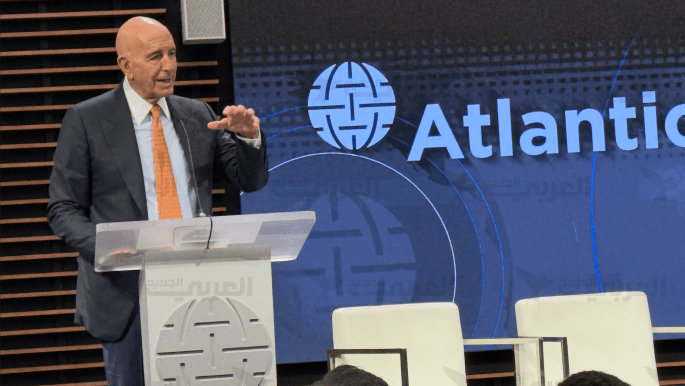
U.S. envoy to Syria, Tom Brack, stated on Friday that Syria could become a strategic alternative to the Strait of Hormuz in the future through the development of pipelines that would enhance energy movement in the region. These remarks come at a time when global energy markets are experiencing significant fluctuations due to political and economic crises.
Brack's statements signal the importance of Syria as a pivotal state in the energy sector, especially given the increasing tensions in the Gulf region. The Strait of Hormuz, through which approximately 20% of the world's oil passes, has become a sensitive point in regional conflicts, making Syria a potential option to alleviate pressure on this vital corridor.
Details of the Event
During a press conference, Brack explained that developing new infrastructure for oil and gas transport through Syria could provide an effective alternative to the Strait of Hormuz. He added that this project requires significant investments and international cooperation, noting that the United States supports these plans as part of its strategy to enhance stability in the region.
Brack also emphasized that Syria possesses vast natural resources, making it an attractive destination for international investors. He pointed out the urgent need to develop these resources safely and sustainably, contributing to the country’s reconstruction after years of conflict.
Background & Context
Historically, Syria has been an important center for energy transport, with pipelines running through its territory to European markets. However, with the outbreak of conflict in 2011, this infrastructure has deteriorated significantly, impacting the country's ability to capitalize on its natural resources.
In recent years, some countries have begun to reconsider their energy strategies, especially following the tensions experienced in the Gulf region. As pressures on the Strait of Hormuz increase, Syria may become an attractive option for countries seeking alternatives for energy transport.
Impact & Consequences
If these plans are implemented, they could lead to significant changes in the global energy map. Syria could help reduce dependence on the Strait of Hormuz, thereby easing tensions in the region. Additionally, this project could create new job opportunities and bolster the struggling Syrian economy.
However, there remain significant challenges facing this project, including the security and political situations in the country, as well as the need for substantial investments. The success of these plans depends on the stability of the situation in Syria and the cooperation of regional and international powers.
Regional Significance
These statements indicate the possibility of reshaping regional relations in the Middle East. If Syria can regain its role as an energy corridor, it could enhance its position in the regional arena and bring it back into the sphere of international interest.
This development may also impact neighboring countries, potentially leading to changes in their energy strategies. Countries like Iraq and Turkey may seek to strengthen their cooperation with Syria in this field, contributing to regional stability.
In conclusion, Tom Brack's remarks about Syria as an alternative to the Strait of Hormuz are of great interest, reflecting the challenges and opportunities facing the region amid current geopolitical changes.