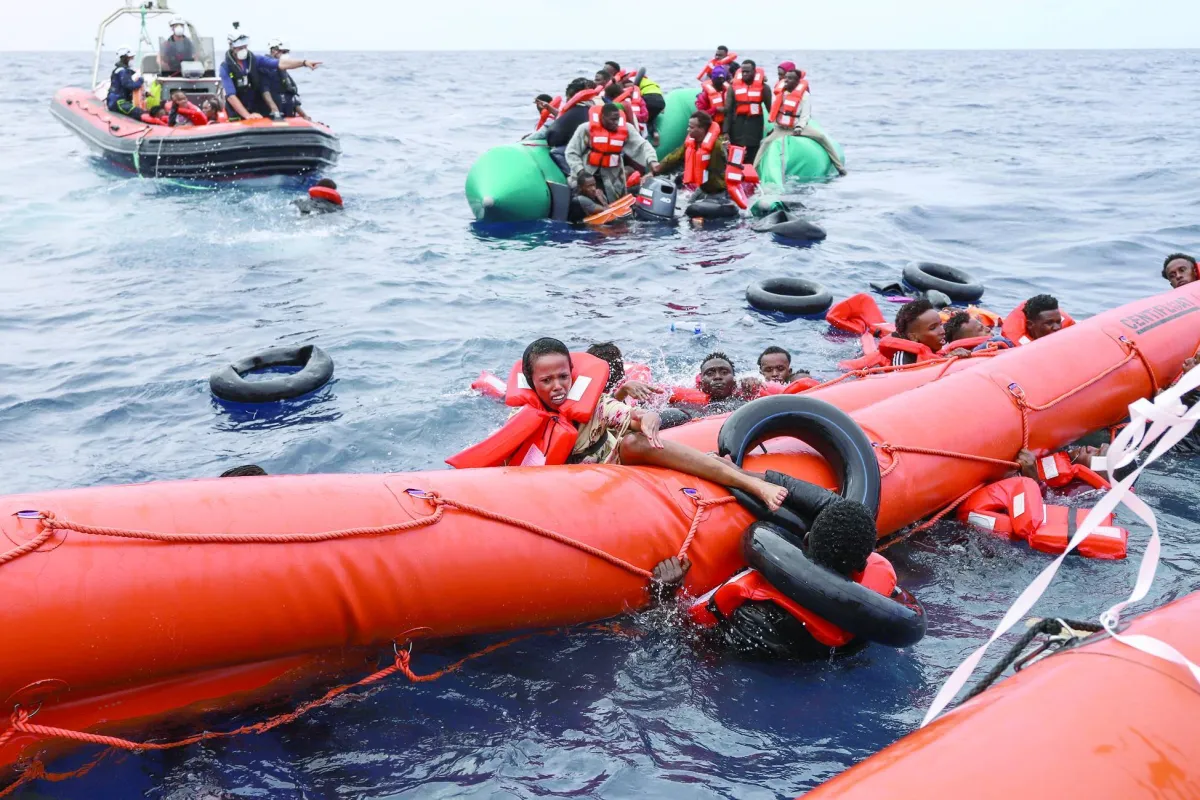
Twenty-two irregular migrants lost their lives off the coast of Greece after their boat departed from Tobruk, Libya, raising serious questions about the failure of Libyan and European efforts to curb irregular migration. The incident, which occurred on March 21, comes at a time when incidents of migrant drownings in the Mediterranean are on the rise, highlighting the significant challenges faced by authorities in both Libya and Europe.
According to the Greek Coast Guard, the boat was carrying 48 migrants, who were stranded at sea for six days without food or water, leading to the deaths of 22 of them. This incident is not the first of its kind, as migrant drownings have become a recurring tragedy, raising questions about the effectiveness of measures taken to address this phenomenon.
Details of the Incident
There are multiple reasons contributing to the continued flow of migrants towards European shores, despite efforts made by Libyan and European authorities. Many Libyan human rights activists and politicians believe that influential figures, whether military or militia leaders, are involved in the smuggling operations of migrants across the sea. A former security official in the Illegal Immigration Combat Agency confirmed that smuggling operations yield substantial financial returns for these powerful individuals.
Security agencies in Libya, whether in the east or west, announce the apprehension of migrants and their transfer to shelters, yet reports indicate that many of these migrants are pushed into notorious detention centers such as the Bir al-Ghanam center, which houses hundreds of children and migrants from various nationalities.
Background & Context
Historically, Libya has witnessed a surge in irregular migration, particularly following the chaos that ensued after the fall of Muammar Gaddafi's regime in 2011. The country has become a major launch point for migrants from Africa and the Middle East seeking to reach Europe. In recent years, Libyan authorities have attempted to enhance cooperation with European countries to mitigate this phenomenon, but the results have been limited.
In this context, human rights reports have shown that many migrants who are returned to Libya face harsh conditions in detention centers, exacerbating their suffering. Human rights activist Tariq Lemlum pointed out that there is coordination between security entities in Tripoli and leaders within the migration agency, raising concerns about the rights of migrants.
Impact & Consequences
The repercussions of these incidents extend beyond Libya, affecting relations between European countries and Libya, and raising human rights issues. As drowning incidents increase, European governments face mounting pressure to provide effective solutions to the migration problem. At the same time, the suffering of migrants intensifies as they face significant risks in their journey towards hope for a better life.
These incidents underscore the urgent need for comprehensive solutions to the migration issue, including improving living conditions in countries of origin and enhancing cooperation among nations in combating smuggling and protecting migrants' rights.
Regional Significance
The crisis of irregular migration poses a significant challenge to the Arab region, as many countries are affected by mass migration. The current situation requires greater coordination between Arab nations and European countries to address this phenomenon. Additionally, there must be joint efforts to improve economic and social conditions in the countries that export migrants.
In conclusion, the issue of irregular migration remains one of the most complex challenges in the region, necessitating a comprehensive response from all stakeholders involved.