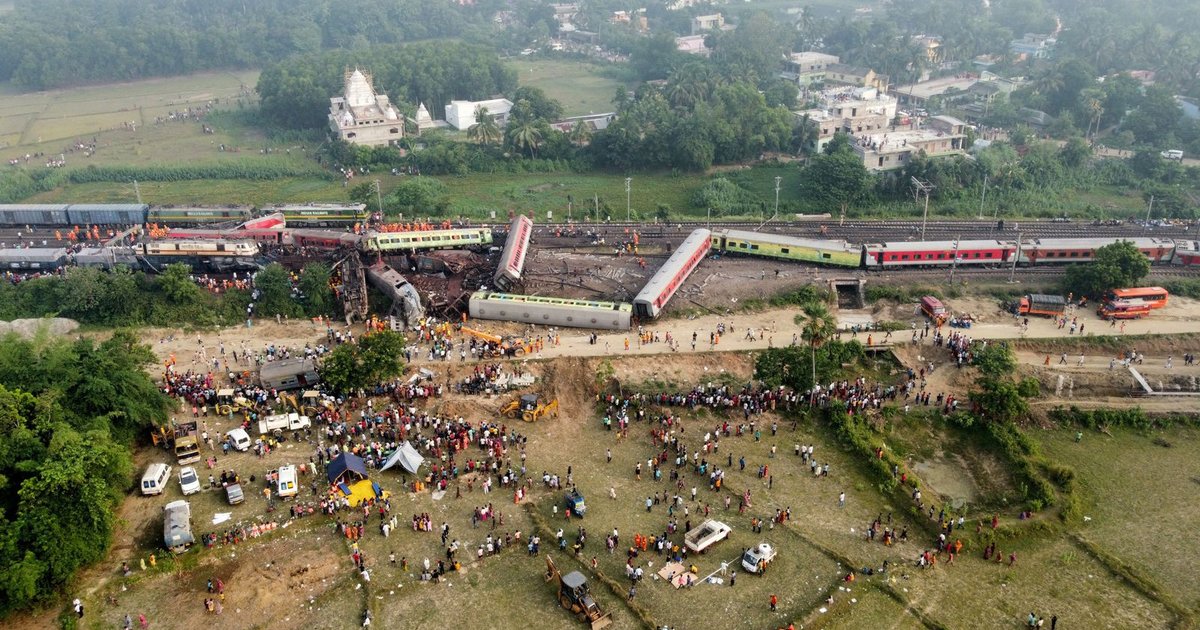
A horrific train collision occurred in Bekasi, Indonesia, between a commuter line and a long-distance train at the East Bekasi station on Monday evening, resulting in 29 injuries and 3 fatalities. The incident happened late at night, and the Metro Jaya police chief, General Asep Eddy Suheri, confirmed that investigations are underway to determine the circumstances surrounding the accident.
General Suheri explained that rescue teams, including search and rescue units, the military, and police, are working to evacuate the victims from the accident site. He emphasized that the priority now is to provide assistance to the victims and transport them to nearby hospitals.
Details of the Incident
The collision occurred at 10 PM, with the circumstances still unclear. Suheri noted that the number of casualties may change as the evacuation process continues, with the injured being transported to several hospitals, including Bekasi Government Hospital and Primaya Hospital.
Additionally, the Deputy Speaker of the Indonesian Parliament, Sufmi Dasco, confirmed that he obtained information about the number of victims during his visit to the accident site. He explained that the evacuation process faces challenges due to some passengers being trapped in the wreckage.
Background & Context
Train accidents in Indonesia are not a new occurrence, as the country has witnessed numerous similar incidents in recent years. The causes of these accidents are often attributed to inadequate infrastructure and a lack of necessary maintenance for the railways. However, the Indonesian government is striving to improve the public transport system, including railways, to reduce accidents and enhance public safety.
Moreover, railways are a vital mode of transportation in Indonesia, connecting major cities and facilitating mobility. As the population increases, the need to enhance public transport services becomes more pressing.
Impact & Consequences
This incident raises numerous questions regarding public transport safety in Indonesia, necessitating urgent government action to improve infrastructure and provide necessary railway maintenance. Authorities must also strengthen safety measures to ensure that such accidents do not recur in the future.
The incident is expected to impact train operations in the region, with some services potentially suspended until investigations are completed. It may also increase pressure on the government to enhance the public transport system.
Regional Significance
Transport accidents are a concern for many countries, including those in the Arab world. Arab nations are striving to improve public transport systems and provide safe and efficient transportation options. This incident can serve as a reminder of the importance of investing in transport infrastructure and enhancing public safety.
Ultimately, Arab countries should learn from global experiences in transportation and work to improve their systems to avoid tragic accidents.