Analyses suggest that geopolitical tensions in the Horn of Africa may reveal new security complexities in the region, where the regional interests of competing nations overlap. Amid rising tensions between countries allied with Saudi Arabia and Turkey on one side, and those allied with the UAE and Israel on the other, Somaliland, the breakaway region from Somalia, has become a new flashpoint.
Musa Crispus Okelo, a senior researcher at the Institute for Security Studies in Addis Ababa, states that there are significant risks of escalating tensions in Somaliland, where Israeli and Emirati interests are present. He also pointed out that tensions may escalate in Djibouti, which is home to a U.S. military presence and other powers.
Details of the Event
Although the Houthis in Yemen have not yet participated in the conflict between the United States and Israel against Iran, any further escalation in the Middle East could increase the likelihood of their intervention. Okelo noted that the Houthis consider any friend of Israel an enemy, opening the door to the possibility of reactivating their military activities.
Okelo also highlighted the religious dynamics that may affect the Houthis' calculations, as most Muslims in Somalia, Somaliland, and Djibouti are Sunni, while the Houthis belong to the Shia sect.
Background & Context
In December 2025, Israel recognized Somaliland, which was met with criticism from Houthi leader Abdul-Malik al-Houthi, who deemed any Israeli presence in Somaliland a military target. Breal Singh, a researcher at the Institute for Security Studies in Pretoria, believes that Somaliland is part of Israel's broader geopolitical ambitions in the region.
However, Singh does not expect any form of strict security cooperation between Somaliland and Israel in the near future due to the volatile situation with Iran. Okelo pointed out that Israel's enhancement of its security presence in Somaliland could lead to renewed tensions between Mogadishu and Addis Ababa.
Impact & Consequences
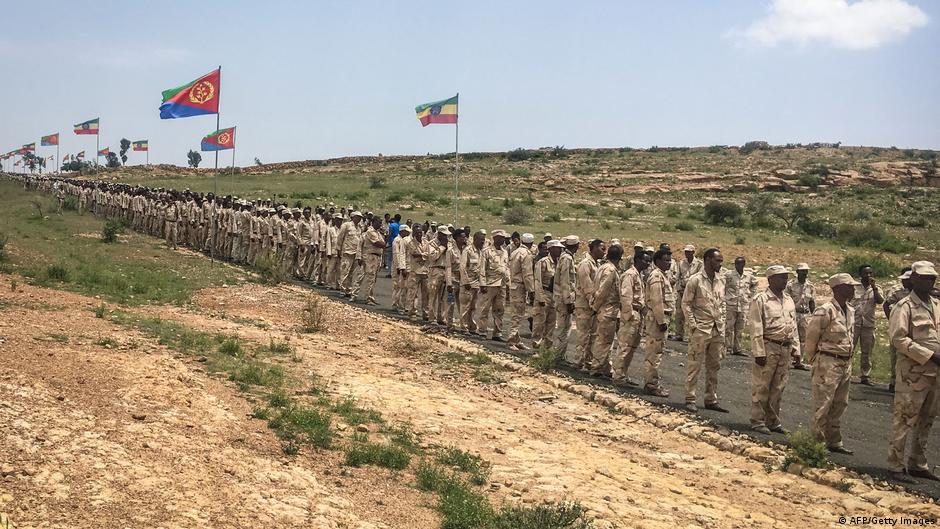
Ethiopia, which is grappling with internal conflicts, seeks direct access to the sea, increasing tensions with Eritrea, whose port Assab is a potential target. The International Crisis Group has warned that the increasing divisions between Ethiopia and Eritrea could escalate the conflict into open warfare.
Nevertheless, the intervention of regional powers such as the United States, Israel, and Saudi Arabia in the conflict with Iran may currently reduce the likelihood of war between Ethiopia and Eritrea. Okelo indicated that the outbreak of war between the two countries under the current circumstances would be extremely chaotic.
Regional Significance
The Arab region is significantly affected by these geopolitical shifts, as rising tensions in the Horn of Africa could impact security and stability in neighboring countries. Additionally, Arab interests may be jeopardized amid the increasing Israeli and Emirati influence in the region.
In conclusion, Mahmoud Ali Yusuf, the head of the African Union, called for the need for de-escalation and a swift return to dialogue and diplomacy as the only path to regional peace and stability.