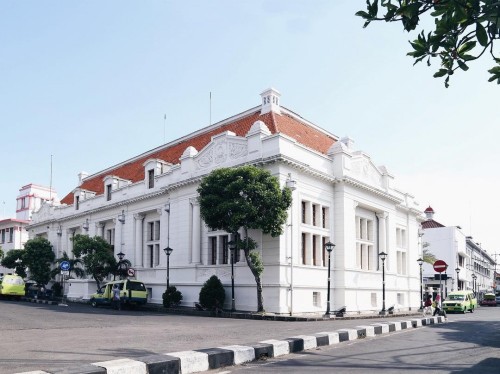
Bank Indonesia has announced plans to transform the De Javasche Bank building, a cultural landmark in Surabaya, into a museum that highlights the bank's history and the region's culture. This initiative is part of the bank's efforts to enhance cultural and historical awareness in the city, with comprehensive studies currently being conducted by a group of historians.
In a statement by the head of the Indonesia Bank Museum, Ryo Wardhano, it was confirmed that the building still retains its status as a "cultural landmark" and has not yet been officially converted into a museum. However, the bank's current direction is to explore the possibility of this transformation, with studies being prepared in collaboration with experts from Airlangga University.
Details of the Initiative
The studies being conducted by experts include assessments of the architectural and historical aspects of the building, as well as an examination of local cultural values. The aim of these studies is to create historical narratives that support educational activities in the future museum, enabling visitors to gain a deeper understanding of the history of De Javasche Bank and its role in the Indonesian economy.
Upon completion of the project, the museum will feature three main themes: the history of Bank Indonesia, the economic policies it has followed, and a display of a collection of currencies that reflect the evolution of the financial system in the country. Ryo emphasized the importance of having museum coordinators, as the presentation of information must align with historical facts.
Background & Context
De Javasche Bank was established in the 19th century and played a significant role in the history of the Indonesian economy. The building is part of Surabaya's cultural heritage and reflects Dutch colonial architecture. Over the years, it has become a symbol of the city, attracting visitors interested in history and culture.
This initiative is part of broader efforts by the Indonesian government to promote cultural tourism in the country. The government aims to transform historical landmarks into tourist destinations that boost the local economy and create new job opportunities.
Impact & Consequences
The conversion of De Javasche Bank into a museum could have a significant impact on tourism in Surabaya, as it is expected to attract more local and international visitors. This will contribute to strengthening the local economy and enhancing the city's status as a cultural destination.
Moreover, establishing a museum that reflects Indonesia's financial history can help raise awareness about the importance of economic history in shaping national identity. This project may also encourage further cultural initiatives in other regions of the country.
Regional Significance
These cultural initiatives hold particular importance for the Arab region, as they can serve as a model for enhancing cultural and historical heritage. Arab countries can benefit from Indonesian experiences in transforming historical landmarks into tourist destinations, thereby boosting cultural tourism and reflecting the richness of Arab heritage.
In conclusion, the project to convert De Javasche Bank into a museum represents a positive step towards enhancing culture and history in Indonesia, highlighting the importance of preserving cultural heritage as part of national identity.