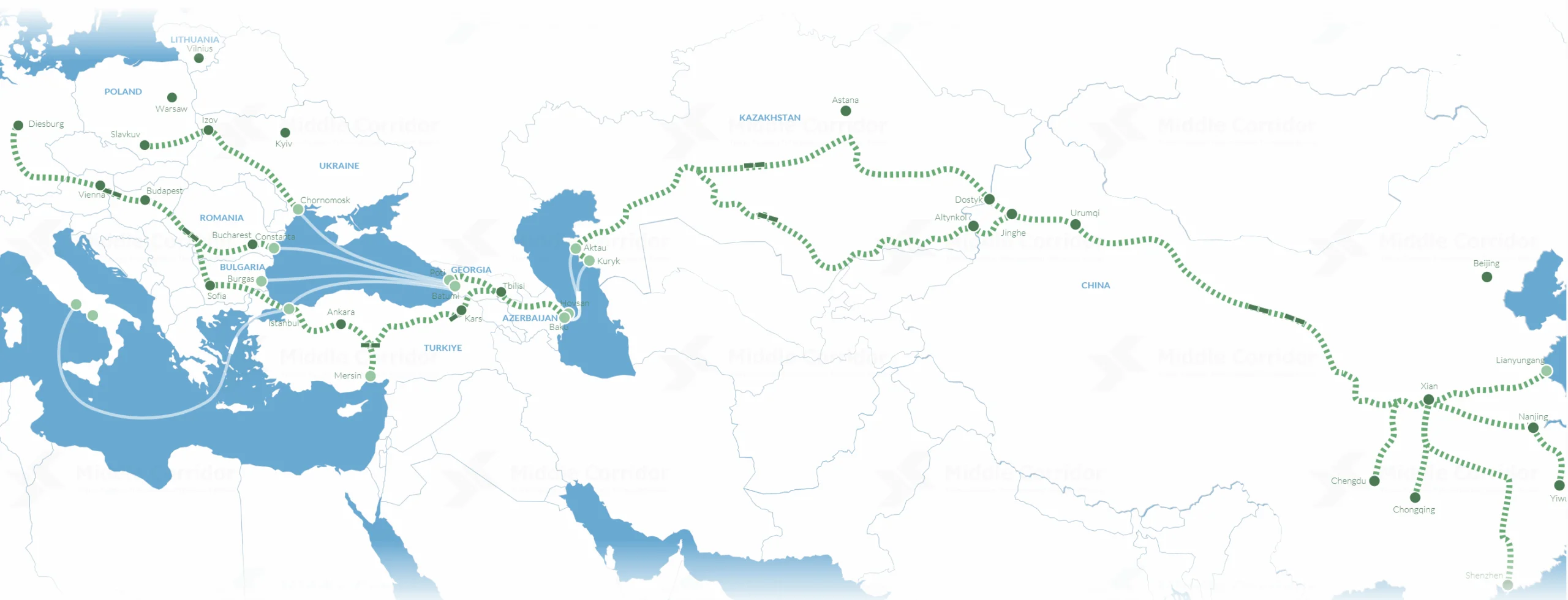
The Syrian Minister of Transport has stated that the Middle East Corridor represents a strategic step that will change the economic landscape of the region within three years. He explained that this project aims to enhance trade and transport links between countries, which will contribute to improving living standards and increasing investments.
The minister noted that the corridor will facilitate the movement of goods and passengers, leading to reduced costs and increased efficiency in transportation. He also added that this project will enhance the countries' ability to cooperate economically and provide a strong boost to sustainable development.
Details of the Project
The Middle East Corridor is considered an ambitious project aimed at connecting several countries in the region through a network of roads and railways. The project includes the development of transport infrastructure, enabling countries to exchange goods and services more effectively. This project is expected to create new job opportunities and enhance economic growth.
The minister also mentioned that there is cooperation with several countries in the region to implement this project, reflecting the countries' desire to strengthen economic relations among themselves. This comes at a time when many countries are seeking to improve their economic conditions after years of challenges.
Background & Context
Historically, the region has witnessed many economic projects aimed at enhancing cooperation between countries. However, the Middle East Corridor represents a new step towards achieving economic integration. This project comes amid the economic challenges faced by many countries, making the need for cooperation more urgent.
Moreover, this project aligns with global trends towards promoting free trade and facilitating the movement of goods. The Middle East Corridor is part of a broader vision aimed at improving the economic situation in the region and enhancing stability.
Impact & Consequences
The Middle East Corridor is expected to have positive effects on the regional economy. Improving transport infrastructure will increase trade volume between countries, contributing to economic growth. Additionally, this project will help attract foreign investments, enhancing the countries' ability to achieve sustainable development.
Furthermore, improving trade links will help reduce economic gaps between countries, promoting social and political stability in the region. This project represents an opportunity for countries to enhance their competitive capabilities in the global market.
Regional Significance
The Middle East Corridor represents a significant opportunity for Arab countries to enhance economic cooperation among themselves. By improving trade links, Arab countries can better utilize available resources, contributing to improving the living standards of citizens.
Moreover, this project may contribute to enhancing security and stability in the region, as economic cooperation can reduce political tensions. Ultimately, the Middle East Corridor represents a step towards achieving Arab integration and promoting sustainable development.