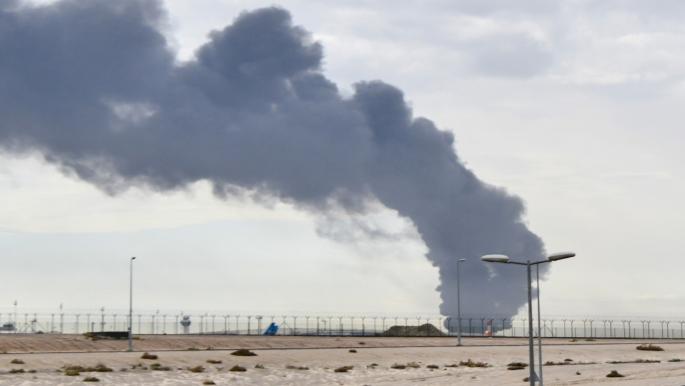
The Arabian Gulf, long viewed as a relatively separate region from the hotspots of tension in the East, has now become an organic part of complex regional equations. This transformation raises questions about how to reshape security and cooperation strategies among Gulf states.
In recent years, the region has witnessed radical changes, with increasing tensions among major powers affecting the stability of the Gulf. Rapid events, such as the conflicts in Yemen and Syria, along with tensions between Iran and the United States, have made it imperative to consider new strategies that ensure security and stability in the region.
Event Details
Concerns are growing that the Gulf, once considered a safe haven, may become a battleground for regional and international conflicts. Reports indicate that Gulf countries need to enhance cooperation among themselves to face escalating security challenges. There are also increasing calls to develop new mechanisms for security cooperation, including information sharing and military coordination.
For instance, military cooperation among Gulf states may require the establishment of new alliances or the strengthening of existing ones, such as the Gulf Cooperation Council. This collaboration could contribute to enhancing the defensive capabilities of Gulf nations in the face of potential threats.
Background & Context
Historically, the Arabian Gulf has been regarded as a relatively stable area, where Gulf states relied on traditional defensive strategies. However, recent events, such as the rise of Iranian influence in the region, have altered this landscape. Conflicts in Iraq, Syria, and Yemen, along with tensions with major powers like the United States and Russia, have made it necessary to reassess the security situation in the Gulf.
Moreover, economic changes, such as falling oil prices, have impacted the ability of Gulf states to fund their defense strategies. This situation requires Gulf nations to think innovatively about enhancing their security.
Impact & Consequences
This shift in Gulf security could lead to significant changes in relations among Gulf states. We may witness new alliances or even tensions between countries that were once considered allies. While enhancing security cooperation may contribute to regional stability, it could simultaneously increase tensions with other regional powers.
Furthermore, these developments could affect the Gulf economy, as foreign investments may be influenced by the security situation. Gulf states need to reassure investors that the region remains safe for investment.
Regional Significance
The security transformations in the Arabian Gulf have direct implications for other Arab countries. The stability of the Gulf is vital for the overall stability of the region. Any escalation in tensions could impact food security and energy in neighboring Arab states.
Additionally, these developments may lead to a reshaping of regional alliances, as some Arab countries may seek to strengthen their ties with major powers or even with Gulf states to bolster their security.
In conclusion, the Arabian Gulf faces new challenges that require innovative strategic thinking. Security in the region is no longer merely a local issue; it has become part of complex regional and international equations.