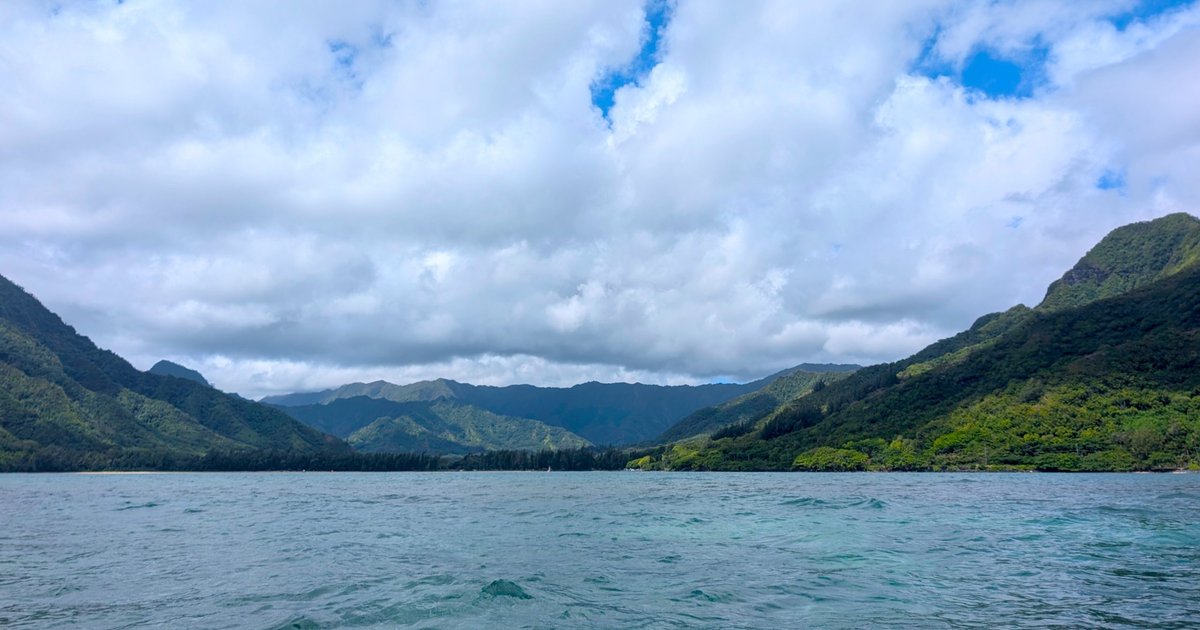
Kahana, once considered marginal, has undergone a significant transformation to become a key player on the international stage. This shift reflects radical changes in global politics.
In recent years, Kahana has begun to strengthen its position through new diplomatic strategies and economic collaborations with other countries. This transformation did not occur in a vacuum; it is the result of continuous efforts by local leaders to expand their influence.
Details of the Transformation
Recently, a series of agreements were announced that reflect Kahana's new direction. These agreements encompass various fields such as trade, technology, and culture, enhancing its status on the international stage.
Several international conferences have also been organized in Kahana, where leaders from different countries were invited to discuss global issues. These events have contributed to enhancing Kahana's image as a major supporter of peace and sustainable development.
Background & Context
Historically, Kahana was considered a region with limited influence in international politics. However, political and economic changes in recent years have begun to alter this reality. Transformations in political and economic leadership have led to a reevaluation of Kahana's role in the global system.
These transformations coincided with radical changes in the global balance of power, as major countries began to reconsider their strategies towards smaller nations. Kahana, once deemed marginal, has now become the focus of attention for many countries.
Impact & Consequences
This transformation in Kahana has significant implications at both regional and international levels. Increased cooperation with major countries could open new avenues of economic and political opportunities for Kahana.
Moreover, this shift could contribute to enhancing stability in the region, as Kahana could serve as a model for building balanced and fruitful international relations.
Regional Significance
Considering the situation in the Arab region, Kahana's transformation could have positive effects on neighboring countries. This shift may encourage other Arab nations to reevaluate their foreign policy strategies.
Kahana could also become a center for Arab and international cooperation, further enhancing opportunities for sustainable development in the region.
In conclusion, Kahana's transformation from marginalization to the international arena highlights the importance of adapting to global changes. This transformation serves as a call for other countries to explore new horizons of cooperation and understanding.