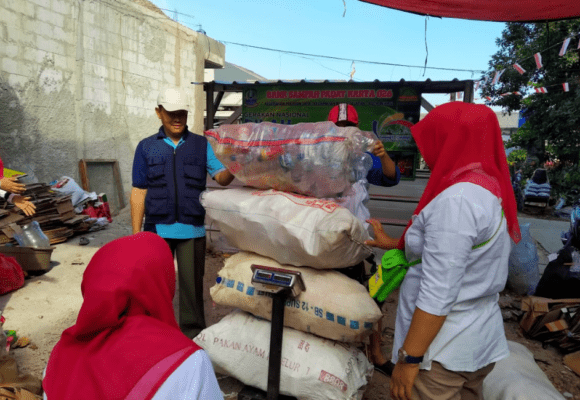
The Bogor regent, Rudi Sussmanto, has unveiled an ambitious plan to transform the Galuga waste processing center into a power generation facility, aiming to tackle the waste crisis that plagues the Bogor area. The project is set to resolve this crisis within a period not exceeding ten years.
This announcement came during a meeting held by Sussmanto with several local officials and representatives from the Wieming and Danatara groups, where discussions focused on accelerating the project's phases to ensure the implementation of modern waste processing technologies. Sussmanto emphasized that the local government is working to expedite all necessary procedures to achieve this goal.
Details of the Initiative
During the meeting, Sussmanto clarified that the project relies on advanced technologies aimed at converting waste into electrical energy, which will contribute to reducing dependence on traditional waste management methods. He noted that this transformation is a strategic step towards improving the environment and mitigating health risks associated with waste.
Sussmanto also highlighted the importance of collaboration among various sectors, including partnerships with technological institutions and investors, to ensure the project's success. He expressed hope that the Galuga project would become a model for waste management across the country.
Background & Context
The waste problem is one of the pressing issues facing many countries, including Indonesia. Numerous regions suffer from waste accumulation, leading to environmental degradation and health risks for residents. In recent years, there has been an increase in efforts to find sustainable solutions to this problem, including the use of waste-to-energy technologies.
Historically, waste management methods have primarily relied on landfilling, resulting in environmental and health issues. With the growing environmental awareness, many governments have begun to seek more sustainable alternatives, such as waste-to-energy projects.
Impact & Consequences
If the Galuga project succeeds in achieving its objectives, it could represent a significant shift in how waste is managed in Indonesia. The project is expected to improve air and water quality, reduce health risks, and provide a new source of electrical energy.
This project could also positively impact the local economy by creating new job opportunities in technology and environmental sectors. Such initiatives exemplify how innovation can be utilized to address environmental challenges.
Regional Significance
Many Arab countries face similar challenges in waste management, grappling with issues of waste accumulation and environmental pollution. Bogor's experience in converting waste to energy could serve as a model for Arab nations seeking to enhance their waste management practices.
By adopting similar technologies, Arab countries can alleviate the environmental impacts of waste and achieve economic benefits through energy production. Cooperation among Arab nations in sharing expertise and technologies could contribute to achieving sustainable development goals.