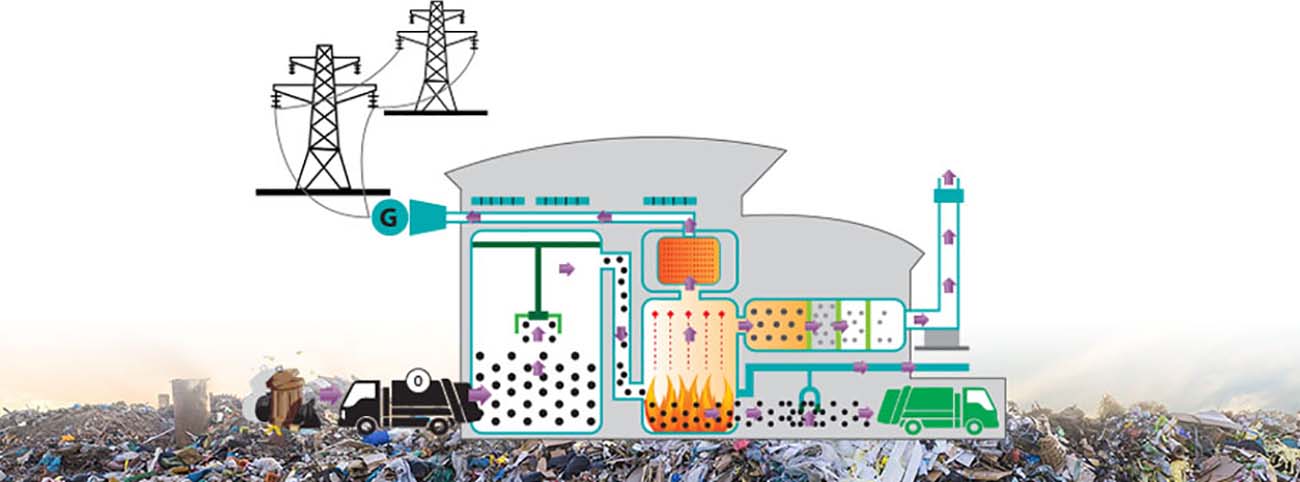
The South Sulawesi government has announced an innovative project to convert waste into electrical energy, processing hundreds of tons of waste daily from three regions: the city of Makassar, Gowa Regency, and Maros Regency. This project was launched during a signing ceremony attended by Indonesia's Minister of Environment, Hanif Faisal Norfik, and the Governor of South Sulawesi, Andi Sudirman Sulaiman, at the governor's residence in Makassar.
This initiative comes at a time when the region is suffering from waste accumulation, with waste amounts reaching approximately 2000 tons daily across the three areas. Converting waste into energy is seen as a quick and effective solution to tackle this crisis, with the project expected to process around 1000 tons of waste daily, contributing to the production of between 20 to 25 megawatts of electrical energy.
Event Details
The waste-to-energy conversion plan is based on Presidential Decree No. 109, which aims to enhance the use of renewable energy and reduce reliance on traditional energy sources. The waste to be processed includes 800 tons from the city of Makassar, 150 tons from Gowa Regency, and 50 tons from Maros Regency.
Despite the project's significant potential, the current waste transportation capacity in Makassar city does not exceed 67%, necessitating improvements in the waste collection system to ensure that the desired goals are achieved.
Background & Context
The waste problem is a pressing issue in Indonesia, with waste quantities continuously increasing due to population growth and urban expansion. According to reports, the average lifespan of landfills in the country is about 17 years, highlighting the urgent need for sustainable solutions.
This project is part of the Indonesian government's efforts to systematically address this issue, as the waste-to-energy initiative represents an important step towards achieving sustainable development and reducing environmental impact.
Impact & Consequences
The project is expected to contribute to reducing the accumulated waste by up to 20% daily, leading to improved local environmental conditions and reduced pollution. Additionally, this initiative reflects the Indonesian government's commitment to achieving sustainable development goals.
Furthermore, converting waste into energy could open new investment opportunities in the renewable energy sector, contributing to the creation of new jobs and boosting the local economy.
Regional Significance
The South Sulawesi experience serves as a model that Arab countries facing similar waste management challenges can benefit from. Many Arab nations struggle with waste management issues, making it essential to seek innovative solutions such as waste-to-energy conversion.
These initiatives can enhance cooperation among Arab countries in the field of renewable energy, promoting environmental sustainability and achieving economic and social benefits.