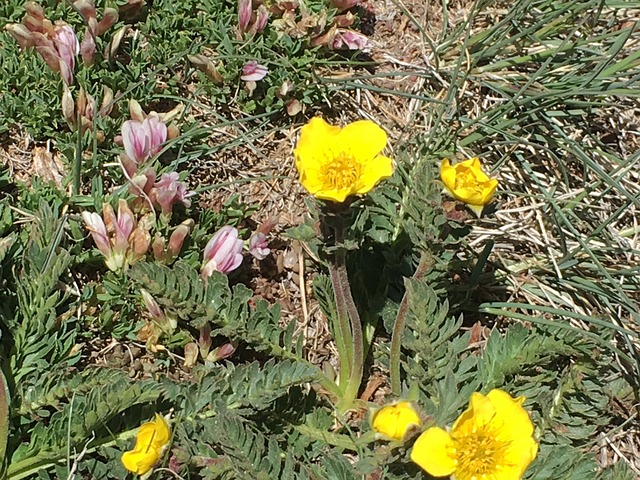
In a remarkable transformation, the white Arabian plants have covered vast areas of the sands in Lina, Saudi Arabia, adding natural beauty to the region. This environmental phenomenon reflects the diversity of plant life in the kingdom and serves as evidence of nature's ability to regenerate and adapt.
The Arabian plants are well-known in desert areas, thriving in harsh conditions and withstanding high temperatures. These plants play a crucial role in maintaining ecological balance, providing habitat for numerous living organisms and contributing to the reduction of desertification.
Event Details
The Arabian plants, characterized by their beautiful white flowers, adorn the sands of Lina in spring, making it a favored destination for visitors and tourists. This breathtaking sight attracts many nature lovers and photographers eager to document the beauty of this unique phenomenon.
This occurrence also presents an opportunity to raise environmental awareness, allowing visitors to learn about the importance of desert plants and their role in the ecosystem. Such events can contribute to promoting eco-tourism in the area.
Background & Context
Historically, the Lina region has been known for its biodiversity, hosting a variety of plants and animals. However, climate change and human activity have impacted this environment. Therefore, the emergence of the Arabian plants at this time is a positive indicator of ecological balance restoration.
The Kingdom of Saudi Arabia is striving to enhance environmental efforts through rehabilitation projects and the planting of native species, reflecting its commitment to environmental preservation and biodiversity enhancement.
Impact & Consequences
The appearance of Arabian plants in Lina highlights the importance of preserving natural environments, emphasizing the role of plants in combating desertification and improving air quality. This phenomenon also raises environmental awareness within the community, encouraging more initiatives to protect the environment.
Such natural phenomena can lead to increased interest in eco-tourism, contributing to local economic support and creating new job opportunities in this sector.
Regional Significance
Environmental phenomena like the emergence of Arabian plants in Lina are part of a broader trend toward enhancing environmental awareness in the Arab region. With growing environmental challenges, it is essential for Arab countries to adopt effective strategies to preserve biodiversity.
Promoting eco-tourism can have a positive impact on sustainable development in the region, helping to achieve a balance between economic development and environmental conservation.
In conclusion, the emergence of Arabian plants in the sands of Lina serves as a reminder of the importance of nature and its role in our lives. We must all work together to preserve our environment and ensure its sustainability for future generations.