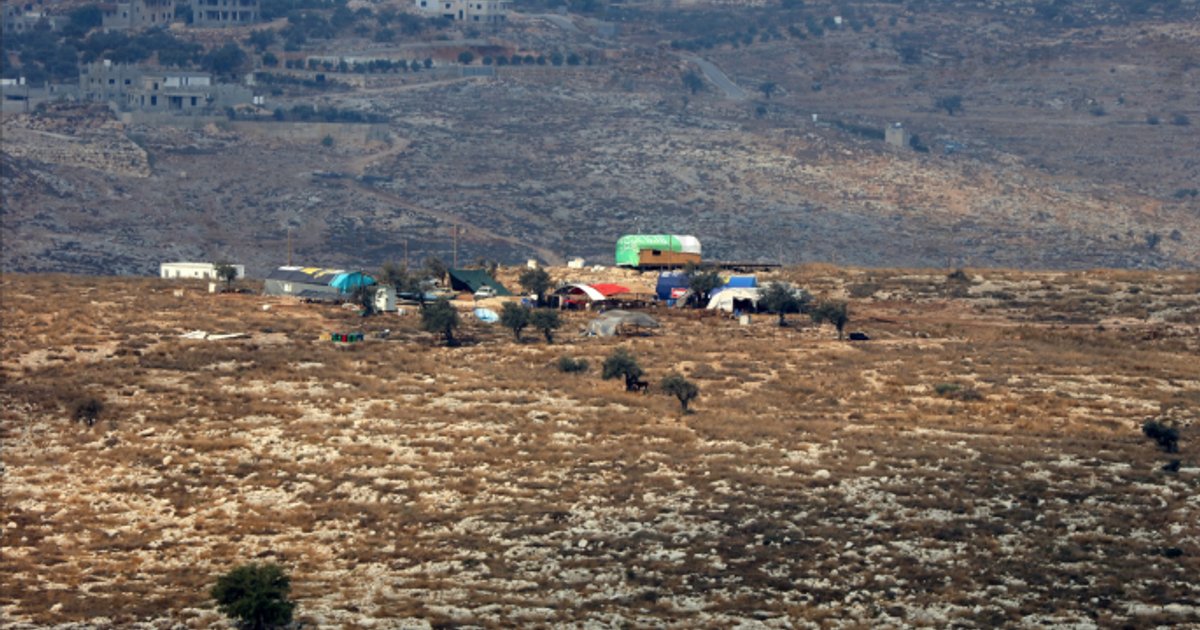
Mount Al-Alam, which served as a natural escape for the residents of Nalin and its surrounding areas, has now become a settlement that threatens agricultural and environmental life in the region. This transformation reflects the escalating settlement activities in the West Bank, raising concerns among local residents and increasing tensions in the area.
Historically, Mount Al-Alam was a sanctuary for many Palestinians, who frequented it for recreation and relaxation, in addition to being a fertile agricultural area rich in resources. However, the shift to a settlement reflects the ongoing Israeli settlement policy aimed at expanding settlements at the expense of Palestinian lands.
Details of the Event
Reports indicate that Israeli authorities have begun constructing a new settlement on the lands of Mount Al-Alam, leading to the seizure of vast areas of agricultural land. This appropriation is accompanied by land leveling operations and destruction of natural resources, threatening the livelihoods of local residents.
This transformation comes at a sensitive time, as Palestinians face significant challenges in preserving their lands and natural resources. Many residents have expressed their fears of losing this area, which has represented a part of their identity and culture.
Background & Context
Historically, the West Bank has seen a surge in Israeli settlement activities, with many settlements being built on Palestinian lands. These activities contradict international laws that deem settlement in occupied territories illegal. Nevertheless, the Israeli government continues to support these policies, complicating the situation in the region.
Mount Al-Alam, located near Nalin, was known for its biodiversity and agricultural resources. However, the current transformations threaten this diversity and negatively impact the local environment. Local residents express their concern about the impact of these activities on their daily lives and their future.
Impact & Consequences
The transformation into a settlement at Mount Al-Alam will have serious repercussions for local residents. Many farmers may lose their lands, threatening their livelihoods and increasing poverty rates in the area. Additionally, tensions between settlers and Palestinian residents may escalate, raising the likelihood of violent clashes.
Moreover, these settlement activities affect Palestinian-Israeli relations, increasing distrust between the two sides. They also reflect the failure of the international community to pressure Israel to halt these policies, leading to increased frustration among Palestinians.
Regional Significance
The settlement activities in the West Bank are part of a larger issue concerning the Palestinian-Israeli conflict. This conflict has implications for security and stability in the entire Arab region. As settlement activities increase, the likelihood of escalating tensions rises, which could affect relations between Arab countries and Israel.
The situation at Mount Al-Alam reflects the challenges faced by Palestinians in preserving their lands and natural resources. This issue represents a part of Palestinian identity and should be a focal point for the international community.
In conclusion, the transformation of Mount Al-Alam into a settlement poses a real threat to the residents of Nalin and the surrounding areas. There must be genuine international efforts to halt these settlement activities and protect the rights of Palestinians to their lands.