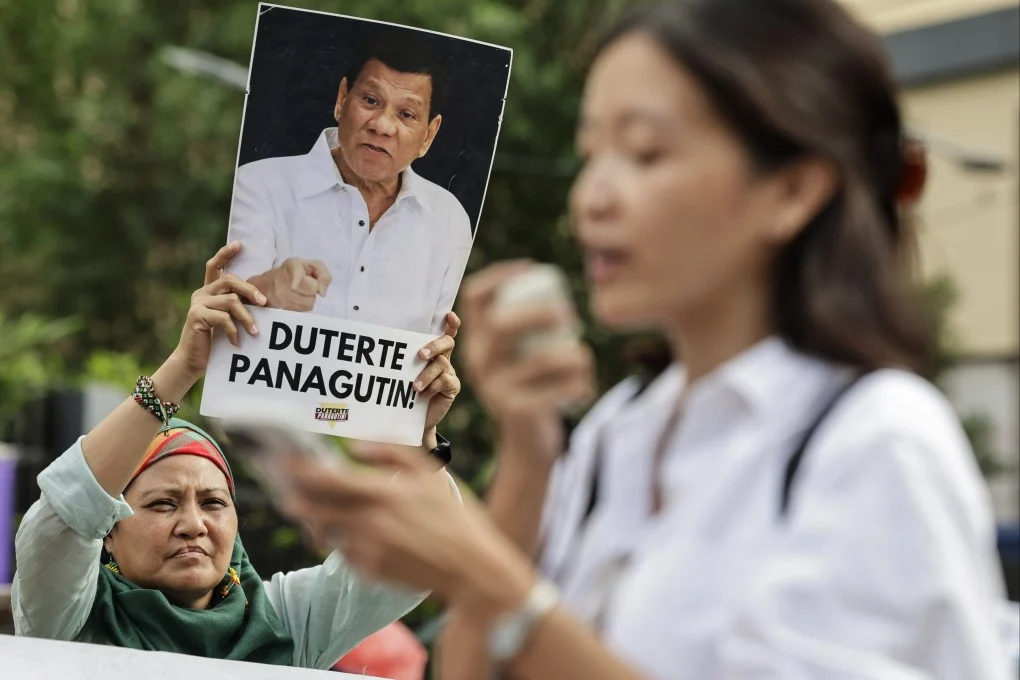
Former Philippine President Rodrigo Duterte is preparing to face trial for crimes against humanity at the International Criminal Court, with sessions scheduled to begin on November 30. This decision follows the court's ruling to bring charges against Duterte, marking him as the first former president in Asia to be tried before this court.
The charges against Duterte relate to his involvement in 76 murders that occurred between 2013 and 2018, during his well-known campaign dubbed the war on drugs. This campaign has drawn widespread criticism from human rights organizations, which argue that Duterte has grossly violated human rights.
Details of the Trial
Judges at the International Criminal Court have reported that Duterte faces three main charges concerning crimes against humanity. Evidence has been presented by the prosecution, indicating that the former president played a direct role in the killings that took place during his anti-drug campaign. Numerous incidents have also been documented, pointing to the excessive use of force by Philippine security forces.
This trial comes at a sensitive time for the Philippines, as Duterte seeks to defend his political legacy while international pressure mounts on the Philippine government to adhere to human rights standards. Duterte has previously claimed that this trial is part of a political campaign against him.
Background & Context
Duterte assumed the presidency of the Philippines in 2016 and launched his anti-drug campaign, which resulted in the deaths of thousands of suspected drug offenders. This campaign has faced severe criticism from the international community, with many viewing it as a blatant violation of human rights. In 2019, the Philippines decided to withdraw from the International Criminal Court, yet investigations continued.
Historically, the Philippines has struggled with significant issues related to crime and drugs, prompting Duterte to promise radical solutions. However, the methods he employed sparked widespread controversy and led to a deterioration of the country's reputation on the international stage.
Impact & Consequences
This trial is expected to have a significant impact on Philippine politics, potentially leading to changes in political leadership. Furthermore, the trial may open the door for further investigations into human rights violations that occurred during Duterte's administration.
On the international front, this case could affect relations between the Philippines and Western nations, which are closely monitoring human rights developments in the country. Additionally, a successful prosecution of Duterte may encourage other countries to take action against their leaders accused of human rights violations.
Regional Significance
The Duterte case exemplifies how the international community addresses human rights issues, a topic of concern for many Arab nations facing similar challenges. This trial may inspire people in the region to demand greater accountability and transparency from their governments.
In conclusion, Duterte's trial represents an important step towards achieving justice in human rights cases, highlighting the significance of accountability in global politics.