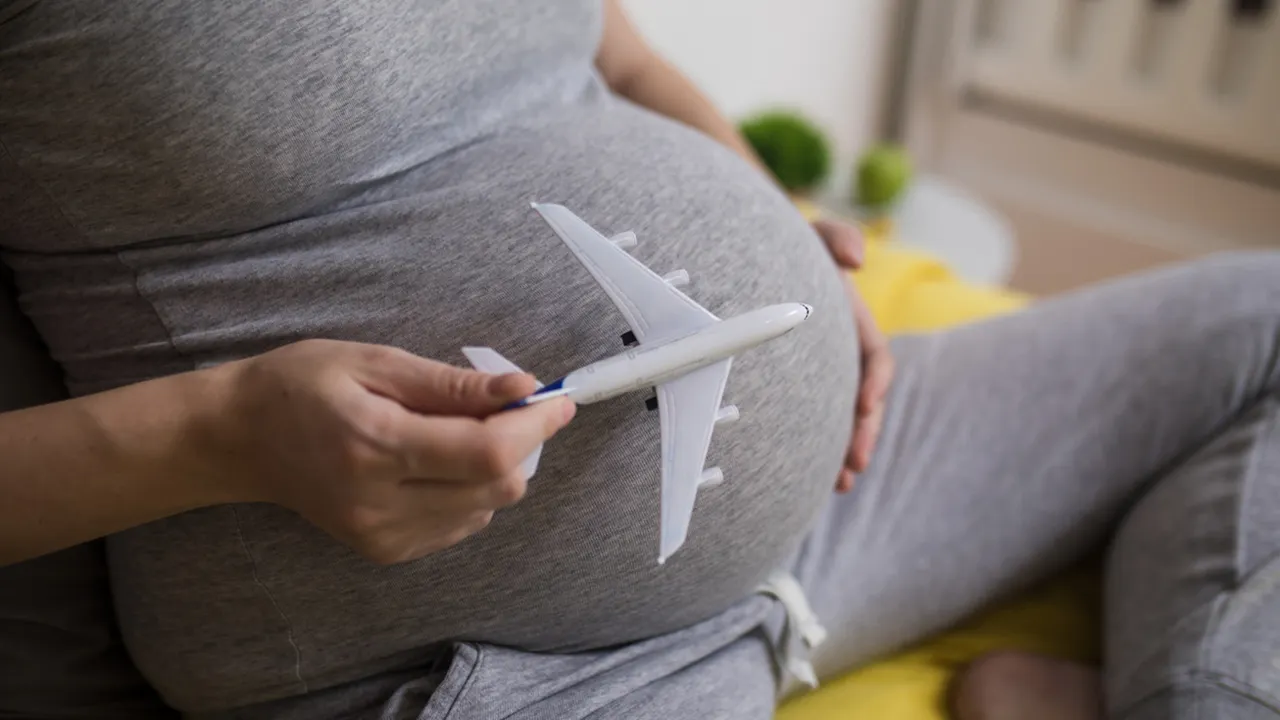
In a controversial move, a lawyer for the Trump administration confirmed during a hearing at the US Supreme Court that the phenomenon of 'birth tourism' represents strong evidence for the necessity to end the policy of automatically granting US citizenship to children born in the United States. This statement comes at a sensitive time as President Trump seeks to implement new policies regarding immigration and citizenship.
The attorney, Attorney General Dr. John Sauer, stated that there are many companies, particularly those targeting Chinese and Russian elites, offering services to assist pregnant mothers in entering the United States for the purpose of giving birth and obtaining US citizenship for their children. He pointed out that this phenomenon has become common in certain areas, such as Miami, where the number of Russian elites benefiting from these services has increased.
Details of the Event
In January 2025, Trump signed an executive order aimed at ending the policy of automatic citizenship, a policy that is part of the Fourteenth Amendment to the US Constitution, which has been in place for over 150 years. Sauer referenced media reports indicating that there are approximately 500 birth tourism companies in the People's Republic of China, reflecting the scale of this phenomenon.
According to estimates from the Center for Immigration Studies, which advocates for reducing immigration, the number of children born annually as a result of this phenomenon ranges between 20,000 to 26,000 children. Sauer also noted that reports suggest that around 1.5 million Chinese citizens have obtained US citizenship through this industry.
Background & Context
The roots of the policy granting automatic US citizenship date back to the nineteenth century, when it was included in the Fourteenth Amendment to the Constitution after the American Civil War. This policy aims to ensure the rights of new citizens, but it has become a subject of controversy in recent years, especially with the increasing number of immigrants.
In recent years, the United States has witnessed a rise in anti-immigration rhetoric, with some groups considering birth tourism as an exploitation of the system. Some individuals and companies managing birth tourism operations have been accused of fraud and money laundering.
Impact & Consequences
If the proposed changes are implemented, it could have significant effects on many families relying on this policy to obtain US citizenship for their children. This could also lead to increased tensions between the United States and the countries from which these immigrants originate, such as China and Russia.
This issue is part of the broader debate on immigration in the United States, where some politicians seek to strengthen laws that limit immigration and change policies related to citizenship. This could lead to changes in how the United States deals with immigrants in the future.
Regional Significance
While this issue focuses on the United States, it has potential implications for the Arab region. Many Arab families seek better opportunities for their children through immigration to Western countries, including the United States. If US policies change, it could affect the immigration plans of Arab families.
In conclusion, the issue of birth tourism remains a complex topic that requires careful study, as it intertwines legal, social, and economic issues. As the debate on immigration in the United States continues, it is important to monitor developments in this area.