The Trump administration has announced the cancellation of agreements aimed at protecting transgender students in schools, sparking widespread debate about their rights. This decision reflects the current administration's policy to reduce legal protections for marginalized groups.
This move is part of a series of actions taken by the U.S. administration in recent years targeting minority rights, including those of transgender individuals. The decision has elicited mixed reactions from human rights organizations and activists, who view this step as a significant setback for human rights.
Details of the Decision
In an unprecedented step, the Trump administration has revoked a set of agreements established by the Obama administration to protect transgender students in schools. These agreements aimed to ensure that these students could use bathrooms and facilities that align with their gender identity. The new decision comes at a sensitive time, as transgender individuals face significant challenges in American society.
This action is part of a broader strategy aimed at diminishing the federal government's role in protecting minority rights. Administration officials have indicated that these policies are intended to enhance states' rights to make decisions regarding education.
Background & Context
Historically, there have been increasing efforts in the United States to promote transgender rights. In 2016, the Obama administration issued guidelines aimed at protecting transgender students, allowing them to use facilities that correspond with their gender identity. However, the Trump administration has taken a different path, reflecting a shift in U.S. policy regarding human rights issues.
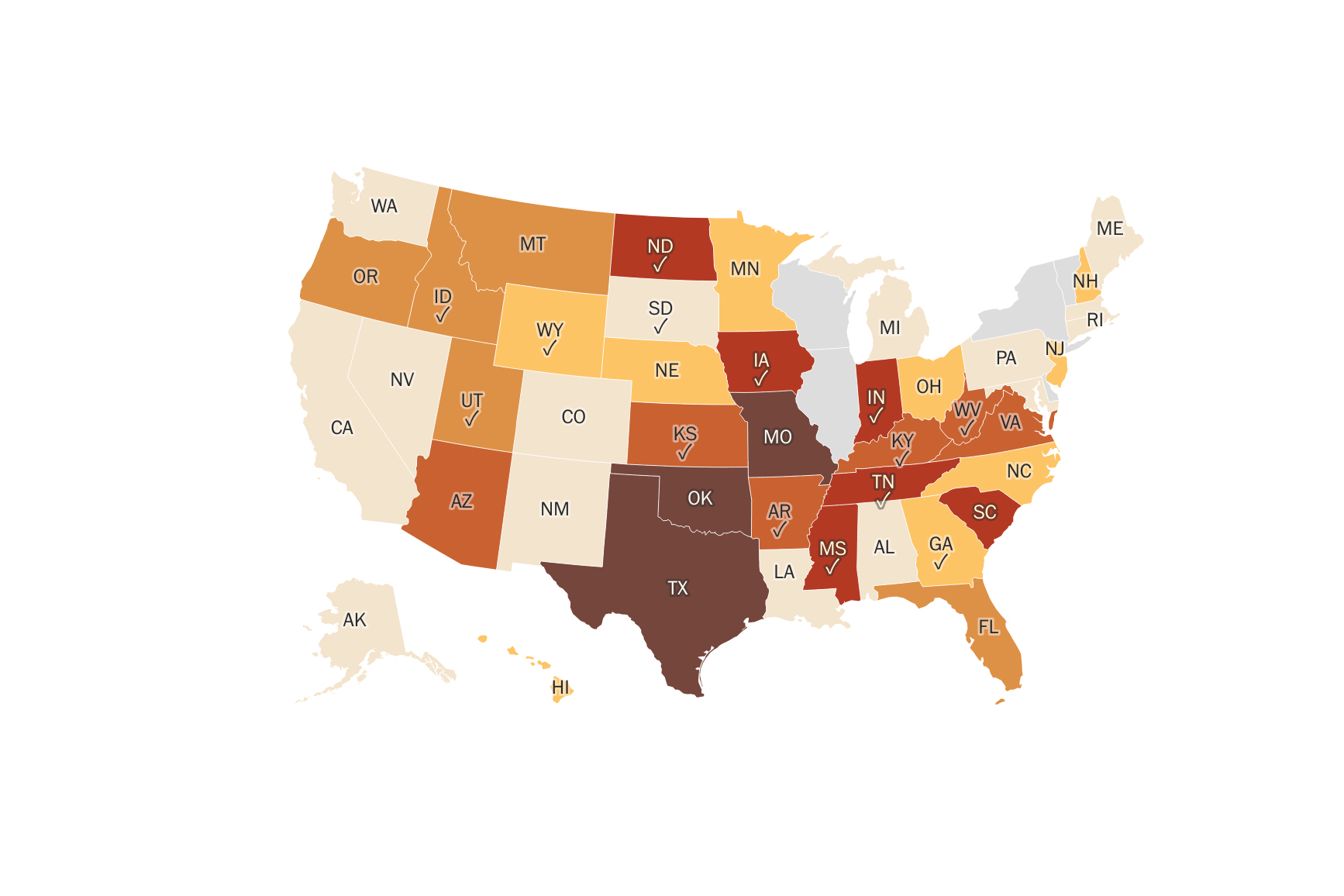
This move coincides with growing discussions about transgender rights in various states, where some local governments are attempting to enact laws protecting these individuals' rights, while others are seeking to diminish these rights. This disparity in policies reflects the political and social divisions within the country.
Impact & Consequences
The cancellation of these agreements is seen as a severe blow to the rights of transgender students, as it may lead to increased discrimination and violence against them in schools. Studies indicate that transgender students face higher rates of bullying and violence, adversely affecting their mental and academic health.
Moreover, this decision may exacerbate social divisions in the United States, as many activists feel their rights are under threat. This could lead to increased pressure on the federal government to reconsider its policies regarding human rights.
Regional Significance
While this decision may seem to pertain only to the United States, it has broader implications on a global scale. In many Arab countries, issues surrounding transgender rights remain taboo and are often ignored. This decision could stimulate discussions about minority rights in the region, serving as either a model to emulate or a warning of the regression in rights.
Ultimately, the question remains about how these policies will affect human rights worldwide. The rollback of transgender rights in the United States could have far-reaching consequences for the struggle for human rights globally.