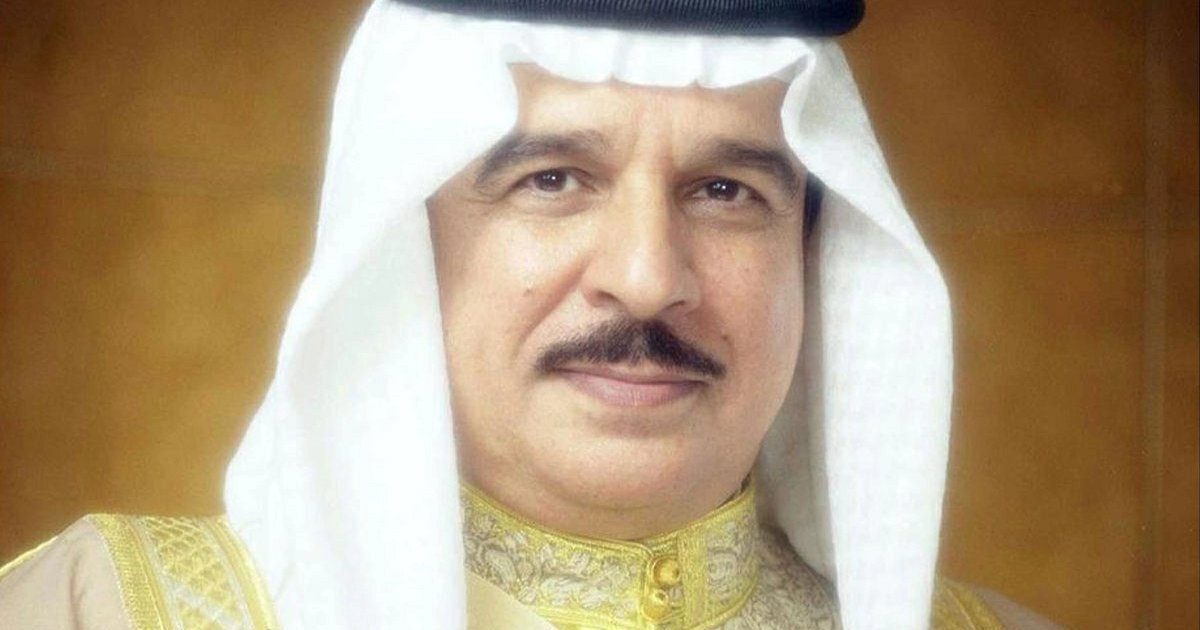
US President Donald Trump has reaffirmed his country's commitment to ensuring security and stability in the Gulf region in a message to King Hamad bin Isa Al Khalifa. Trump expressed his admiration for Bahrain's unity in facing Iranian violations of international laws, according to the Bahrain News Agency.
This message highlights the ongoing security coordination between Bahrain and the United States, which is part of the long-standing defense and strategic relations between the two countries. Since the beginning of the US and Israeli military campaign against Iran on February 28, Bahrain's air defenses have intercepted and destroyed at least 188 ballistic missiles and 477 drones launched from Iran.
Details of the Event
Bahrain, which hosts the US Navy Central Command and the Fifth Fleet, is one of ten countries targeted by Iranian missile and drone attacks. However, Bahrain has not participated in any direct military operations led by the United States against Iran. A fragile ceasefire has been maintained between Iran and the United States since early April, but the Strait of Hormuz, a major trade channel, remains closed.
Mediators, including Pakistan, are seeking to push negotiations between the United States and Iran in hopes of reaching an agreement to end the ongoing conflict. These dynamics reflect the ongoing tensions in the region and the importance of Bahrain as a strategic ally for the United States in countering Iranian threats.
Background & Context
Historically, the Gulf region has been a focal point for major powers due to its strategic location and natural resources. Since the Iranian Revolution in 1979, the region has witnessed escalating tensions between Iran and Arab states, leading to multiple military interventions and regional conflicts. Bahrain, as part of the Gulf Cooperation Council, plays a pivotal role in these dynamics, striving to maintain its internal stability while cooperating with its allies.
Concerns are growing that the continued Iranian violations could lead to greater escalation in the region, necessitating further coordination between Arab states and the United States. The defense relations between Bahrain and the US reflect this trend, as Bahrain seeks to enhance its defensive capabilities in the face of threats.
Impact & Consequences
Trump's statements emphasize the importance of security cooperation between the United States and Gulf states, as these relations are vital for ensuring regional stability. US support for Bahrain reflects Washington's commitment to addressing the security challenges posed by Iran, which may lead to strengthening Bahrain's defensive capabilities.
However, the continuation of tensions could create an unstable environment affecting the regional economy and increasing security risks. Any military escalation could have far-reaching consequences, including impacts on oil markets and international trade.
Regional Significance
These developments are of significant importance to Arab states, reflecting the need to enhance security and defense cooperation in the face of common threats. Stability in the Gulf is essential for Arab security and directly affects all countries in the region.
Under these circumstances, Arab states must strengthen their unity and cooperate with one another to address security challenges. Trump's message to the King of Bahrain reflects this trend, as Arab countries seek to build strategic alliances to confront Iranian threats.