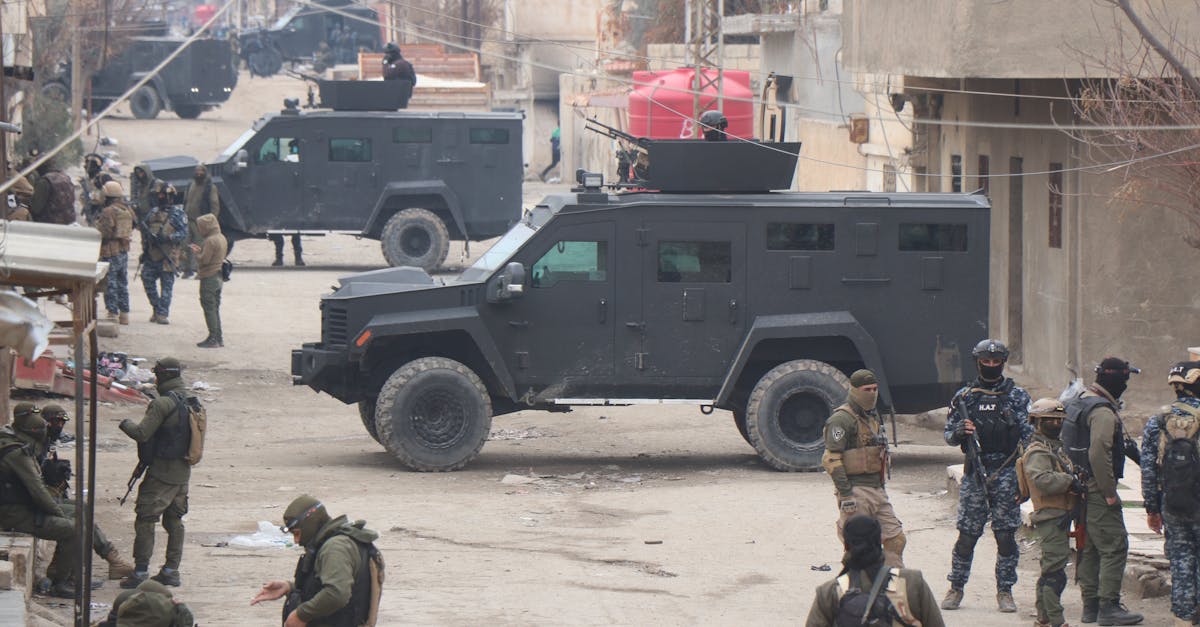
Former U.S. President Donald Trump announced that the military operation executed against Iran achieved its goals in just one month. This statement came during remarks made by Trump, where he confirmed that this campaign was necessary to protect American interests in the region.
Trump noted that the military operation resulted in positive outcomes, reflecting the United States' ability to address external threats. He explained that this operation was part of a broader strategy aimed at enhancing U.S. national security and ensuring regional stability.
Details of the Operation
The military operation referenced by Trump pertains to U.S. military movements in the Middle East, focusing on countering destabilizing Iranian activities. These operations included airstrikes and advanced military tactics aimed at undermining Iranian influence in the region.
Trump also confirmed that these operations were conducted in coordination with U.S. allies in the region, reflecting international cooperation in confronting shared threats. The operations received mixed reactions from the international community, with some considering them a necessary step, while others viewed them as an unwarranted escalation.
Background & Context
Trump's remarks come at a sensitive time, as U.S.-Iranian relations are experiencing increasing tensions. In recent years, there has been a rise in military activities between the two parties, including cyberattacks and direct military operations. Many analysts believe that these operations reflect a shift in U.S. strategy towards Iran, as Washington seeks to reduce Tehran's influence in the Middle East.
These statements also emerge amidst ongoing negotiations regarding the Iranian nuclear program, where major powers are striving to reach a comprehensive agreement that ensures Iran does not develop nuclear weapons. Many observers believe that military operations could impact the course of these negotiations, potentially heightening tensions among the involved parties.
Impact & Consequences
Many analyses predict that military operations against Iran will escalate tensions in the region, potentially affecting regional stability. These operations could provoke reactions from Iran and its allies, increasing the likelihood of new conflicts in the area.
Furthermore, these operations may affect U.S. relations with other countries in the region, potentially straining ties with some allies who view military escalation as not the optimal solution. Many analysts believe that these dynamics could influence U.S. strategy in the Middle East in the future.
Regional Significance
The U.S. military operations against Iran have a direct impact on the security and stability of Arab countries. These operations could contribute to heightened tensions among various factions in the region, potentially exacerbating existing crises.
Additionally, these operations may affect Arab economies, as they could lead to increased oil prices and trade costs in the region. Many observers believe that stability in the region heavily depends on how the involved parties manage these tensions.
In conclusion, military operations against Iran remain a contentious topic, with opinions varying on their effectiveness and impact on regional security. As tensions continue, the question remains open regarding how events will unfold in the future.