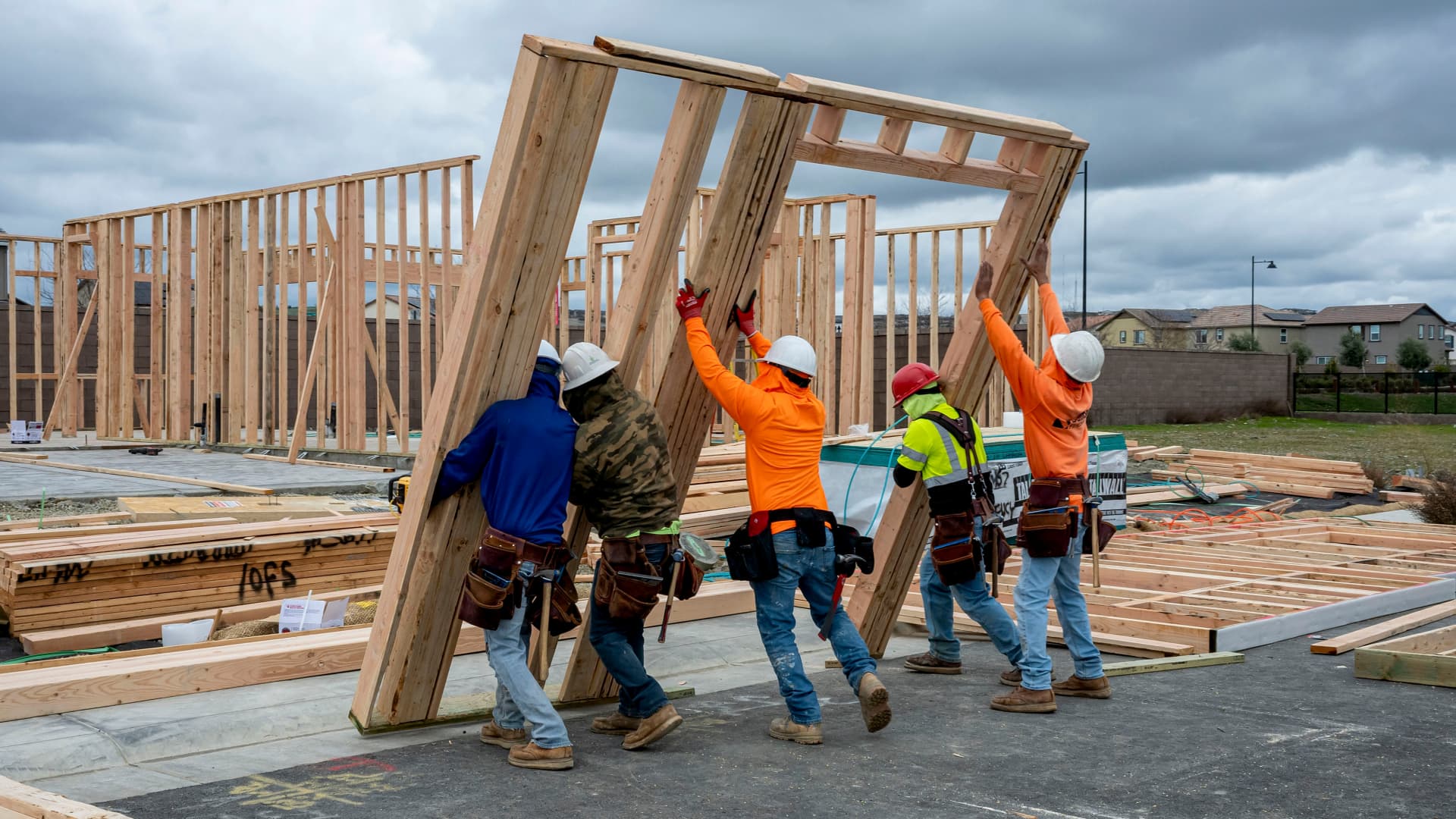
In a controversial move, President Donald Trump announced plans to ban large investors from owning homes as part of the U.S. government's efforts to tackle the escalating housing crisis. This step comes at a time when many Americans are facing significant difficulties in obtaining affordable housing, with home prices rising sharply in recent years.
On March 12, the U.S. Senate passed a massive housing bill aimed at improving affordability and increasing the supply of homes, particularly single-family homes. The bill, known as the 21st Century Housing Roadmap Act, received rare bipartisan support, passing with a vote of 89-10.
Details of the Legislation
The legislation includes over 40 provisions related to financing, permits, and environmental planning, aiming to reduce housing costs and expedite the construction of new homes. However, the bill faces challenges in the House of Representatives, where the debate centers on whether large institutional investors should be allowed to continue purchasing and renting homes.
This issue has sparked considerable controversy, with Elizabeth Warren, the Democratic senator, criticizing this practice, and Trump calling for its end through an executive order last January. However, part of the challenge lies in balancing the interests of investors with the need for affordable housing.
Background & Context
The housing market in the United States has been under strain for several years, with a significant shortage of affordable homes available for purchase or rent. Many Americans are struggling to find suitable housing, leading to increased calls for reform. The rise of institutional investors in the housing market has been a contentious issue, as these entities often purchase homes in bulk, driving up prices and limiting options for individual buyers.
As the housing crisis deepens, the government is under pressure to implement measures that will ensure more equitable access to housing. The proposed ban on large investors is seen as a potential solution to help stabilize the market and provide more opportunities for first-time homebuyers.
Impact & Consequences
The long-term consequences of this policy remain uncertain, as it could either alleviate the housing crisis or create new challenges in the market. The effectiveness of the legislation will depend on how it is enforced and the responses from various stakeholders in the housing industry.
Regional Significance
The implications of Trump's announcement are not just national but also regional, as different areas of the country experience varying degrees of housing shortages. In urban centers where demand is high, the impact of large investors has been particularly pronounced, leading to calls for localized solutions.
Regions with significant housing challenges may see a more immediate effect from the ban, as it could lead to a more balanced market where local families have a better chance of securing homes. However, the overall success of the initiative will depend on comprehensive strategies that address the root causes of the housing crisis.
In conclusion, President Trump's proposed ban on large investors in the housing market represents a significant shift in policy aimed at addressing the ongoing housing crisis. As discussions continue in Congress, the outcome of this legislation will be closely watched by both supporters and critics alike.