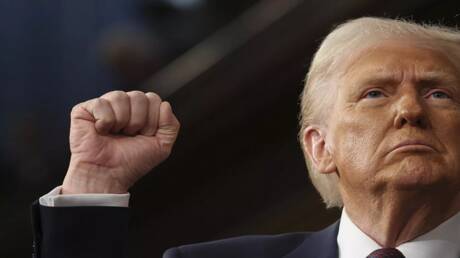
A senior U.S. official told Bloomberg that President Donald Trump is taking a 'challenging' position towards Iran, noting that the U.S. administration is open to diplomatic options. At the same time, Trump continues to reinforce his 'maximum pressure' policy on Tehran.
The official's statements come at a sensitive time, as tensions between the United States and Iran escalate, especially after Washington's withdrawal from the nuclear agreement in 2018. This withdrawal led to the re-imposition of stringent economic sanctions on Iran, significantly impacting its economy and exacerbating internal crises.
Details of the Situation
In his remarks, the official clarified that Trump aims to achieve his objectives through a combination of military and diplomatic pressure. He emphasized that the U.S. administration still hopes to reach a new agreement with Iran, although negotiations have not made significant progress recently. This comes amid increasing Iranian nuclear activities, which have raised concerns in the international community.
The official also pointed out that Trump is closely monitoring the situation and is prepared to take additional steps if necessary. This stance reflects the U.S. administration's strategy of using force as a means to achieve political goals.
Background & Context
Historically, U.S.-Iranian relations have seen escalating tensions since the Islamic Revolution in 1979. Since then, there have been several attempts at diplomatic communication, but most have failed. Trump's withdrawal from the nuclear agreement was a pivotal turning point, as Iran viewed this decision as a betrayal of international commitments.
It is noteworthy that Iran has responded to U.S. pressures by enhancing its nuclear program, further heightening tensions in the region. There are also concerns that this escalation could lead to open military conflict, which the United States seeks to avoid.
Impact & Consequences
The recent statements from the U.S. official could lead to increased tensions in the region, as Iran may feel compelled to respond to the mounting pressures. This could negatively impact regional stability, especially with the presence of other powers like Russia and China that support Iran in the face of U.S. pressures.
Additionally, these policies could affect global oil prices, as any military escalation in the region could significantly drive up prices. Furthermore, the Iranian economic situation may deteriorate further, exacerbating humanitarian crises within the country.
Regional Significance
For Arab countries, the escalation between the United States and Iran represents a significant challenge. Many of these countries rely on regional stability to ensure their security and economic stability. Any military escalation could lead to unforeseen repercussions on the national security of these countries.
There are also fears that the tensions could escalate sectarian conflicts in the region, increasing internal divisions and complicating peace efforts. Arab nations need to closely monitor the situation and coordinate among themselves to address any negative repercussions.
In conclusion, the situation between the United States and Iran remains complex, intertwining political and economic interests. It is crucial for all parties to remain open to dialogue, despite the significant challenges they face.