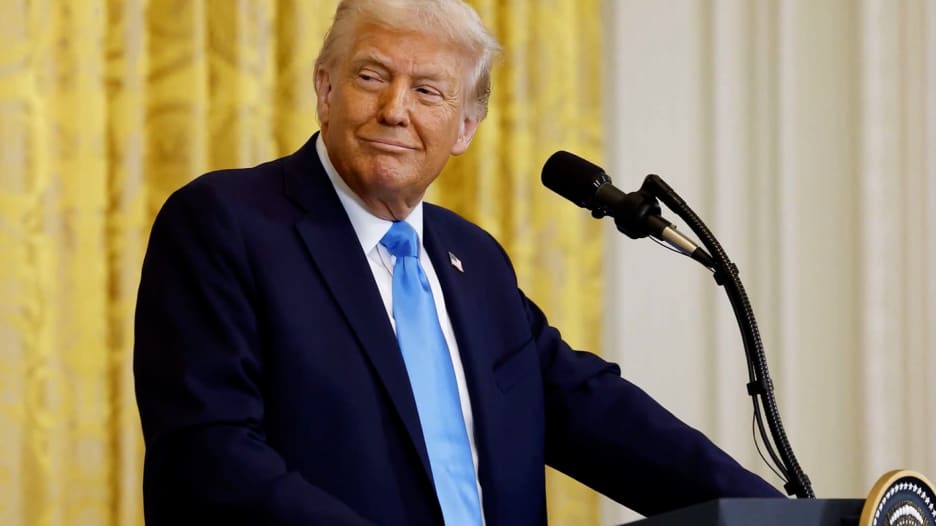
U.S. President Donald Trump has made conflicting statements regarding the conflict with Iran, raising questions about how to resolve the ongoing dispute. Amid the tense situation in the Gulf region, it appears that Trump is struggling to define his strategy towards Iran, reflecting a state of uncertainty in U.S. policy.
As Trump faces both internal and external pressures, questions are mounting about how to exit this prolonged conflict. His recent contradictory statements suggest a lack of a clear plan, complicating the situation in the region further.
Details of the Situation
Events continue to unfold in the Gulf region, where tensions between the United States and Iran have escalated since Trump's withdrawal from the nuclear agreement in 2018. Since then, the U.S. has imposed stringent economic sanctions on Iran, exacerbating the economic and social conditions within the country.
Recently, Trump indicated the possibility of negotiating with Iran, yet simultaneously threatened military action. These contradictory statements raise concerns among U.S. allies in the region, who fear that such a policy could escalate the conflict rather than resolve it.
Background & Context
Historically, relations between the United States and Iran have been tense since the Islamic Revolution in 1979. These relations have seen various phases of escalation and de-escalation but reached unprecedented levels after Trump's withdrawal from the nuclear deal. This agreement was signed in 2015 between Iran and the P5+1 group (the United States, United Kingdom, France, Russia, China, and Germany) to limit Iran's nuclear program in exchange for easing sanctions.
Today, Iran is considered one of the most influential countries in the Middle East, playing a pivotal role in various conflicts, including those in Syria and Yemen. This role complicates U.S.-Iranian relations, as the United States seeks to diminish Iran's influence in the region.
Impact & Consequences
Trump's contradictory statements could exacerbate conditions in the Gulf, potentially encouraging Iran to take more aggressive actions. Furthermore, these statements may affect U.S. relations with its allies in the region, such as Saudi Arabia and the UAE, who rely on U.S. support to counter Iranian threats.
Moreover, the lack of clarity in U.S. policy towards Iran could lead to heightened tensions in global markets, particularly in oil markets, where Iran is a key player. Any escalation in the conflict could significantly impact oil prices and increase economic instability in the region.
Regional Significance
The tensions between the United States and Iran directly affect Arab countries, especially those located in the Gulf region. Arab nations are concerned about the escalation of the conflict, which could lead to new confrontations in the area. Additionally, any escalation may impact security and stability in neighboring countries such as Iraq and Syria.
Ultimately, the most pressing question remains: how can the United States exit this war? The answer requires a clear and comprehensive strategy that considers the interests of all parties involved, including Iran and the Arab nations.