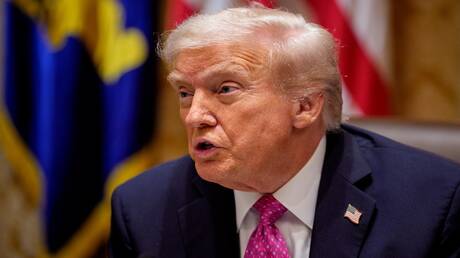
A report by Bloomberg has disclosed that U.S. President Donald Trump is considering the possibility of seizing control of the Iranian oil sector as a means to pressure China. This initiative arises at a time when relations between the United States and China are increasingly strained, particularly in the realms of trade and technology.
Iran is one of the largest oil producers in the world, possessing vast reserves of oil and gas. Should this move be executed, it could lead to significant fluctuations in the global oil market, impacting prices and exacerbating geopolitical tensions.
Details of the Situation
According to informed sources, Trump believes that controlling Iranian oil could strengthen the United States' position in negotiations with China. China is one of the largest importers of Iranian oil, and any American actions in this direction could significantly impact the Iranian economy.
These statements come at a time when the Trump administration is seeking to bolster its stance against China, especially following a series of trade tensions witnessed in recent years. The White House appears to aim to use oil as an effective pressure tool in its foreign policy.
Background & Context
Historically, U.S.-Iran relations have been tense, particularly since the United States withdrew from the nuclear agreement in 2018. Washington imposed strict sanctions on Tehran, significantly affecting its economy. In this context, Iran is striving to enhance its relations with China as a means to compensate for the damages caused by the sanctions.
China is one of Iran's largest trading partners, importing substantial quantities of Iranian oil. Therefore, any American moves to control this sector could escalate tensions between the two nations, complicating the geopolitical landscape in the region.
Impact & Consequences
If Trump's plan is implemented, it could heighten tensions between the United States and China, potentially negatively affecting global oil prices. Financial markets are likely to be significantly impacted, leading to unpredictable fluctuations in commodity prices.
Moreover, this action could provoke strong reactions from Iran, which may view it as an infringement on its sovereignty. Tehran could take retaliatory measures, further complicating the security situation in the region.
Regional Significance
The Middle East is one of the regions most affected by U.S. and Iranian policies. Any escalation in tensions between Washington and Tehran could destabilize the region and intensify existing conflicts.
Additionally, neighboring Arab countries may find themselves in a sensitive position, as their economies could be directly affected by fluctuations in oil prices or any potential military escalation. Thus, these developments warrant close monitoring by Arab nations.
In conclusion, President Trump's next steps remain uncertain, but it is clear that controlling Iranian oil could be part of his strategy to pressure China. These developments may lead to significant changes in the geopolitical landscape, necessitating broad attention from the international community.