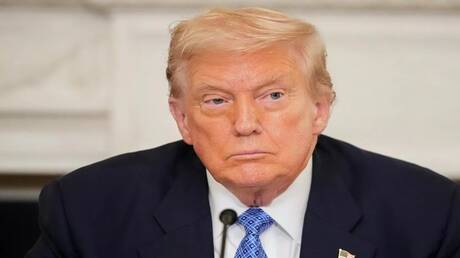
In controversial remarks, U.S. President Donald Trump has criticized German Chancellor Friedrich Merz, asserting that Merz's position on Iran's nuclear weapons capability constitutes a 'disaster.' This statement comes at a sensitive time when international relations are increasingly strained over Iran's nuclear program.
Trump, who withdrew from the Iranian nuclear deal in 2018, expressed concern that Merz, representing the Christian Democratic Union, appears indifferent to the gravity of the situation. He warned that such a stance could lead to dire consequences for both regional and international security.
Details of the Event
Trump's comments were made during a press conference, where he indicated that Merz lacks a deep understanding of the challenges posed by Iran. He emphasized that allowing Tehran to possess nuclear weapons would threaten not only Israel but many European nations as well.
In response, Merz defended himself against Trump's attack, stressing that Germany is committed to working with its allies to prevent the proliferation of nuclear weapons. He affirmed his intention to seek diplomatic solutions to engage with Iran rather than resorting to military escalation.
Background & Context
Historically, U.S.-Iran relations have been marked by increasing tensions, especially following Trump's withdrawal from the nuclear agreement. This deal, reached in 2015, aimed to limit Iran's nuclear program in exchange for easing economic sanctions.
However, the escalation of Iran's nuclear activities and its regional threats have led many countries, including Germany, to reassess their strategies towards Tehran. In this context, Merz faces mounting pressure from certain political factions in Germany advocating for a tougher stance on Iran.
Impact & Consequences
Trump's statements serve as a call to attention regarding the potential risks stemming from current policies. If Iran continues to advance its nuclear program, it could trigger an arms race in the region, exacerbating tensions among nations.
Moreover, Merz's position may impact German-American relations, particularly if Washington perceives Berlin as not taking a firm stance against Iran. This could negatively affect security and economic cooperation between the two countries.
Regional Significance
Considering the potential impact on the Arab region, any escalation in Iran's nuclear program could heighten tensions in the Gulf states, where Iran is viewed as a major adversary. Arab nations, especially Saudi Arabia and the UAE, are closely monitoring developments in this regard.
The stability of the region heavily relies on how major powers engage with Iran. Therefore, any shift in U.S. or European policy could have far-reaching implications for regional security.
In conclusion, Trump's remarks about Merz highlight the political divisions surrounding how to deal with Iran. While some leaders seek dialogue, others appear to favor more hardline positions, complicating the international political landscape.