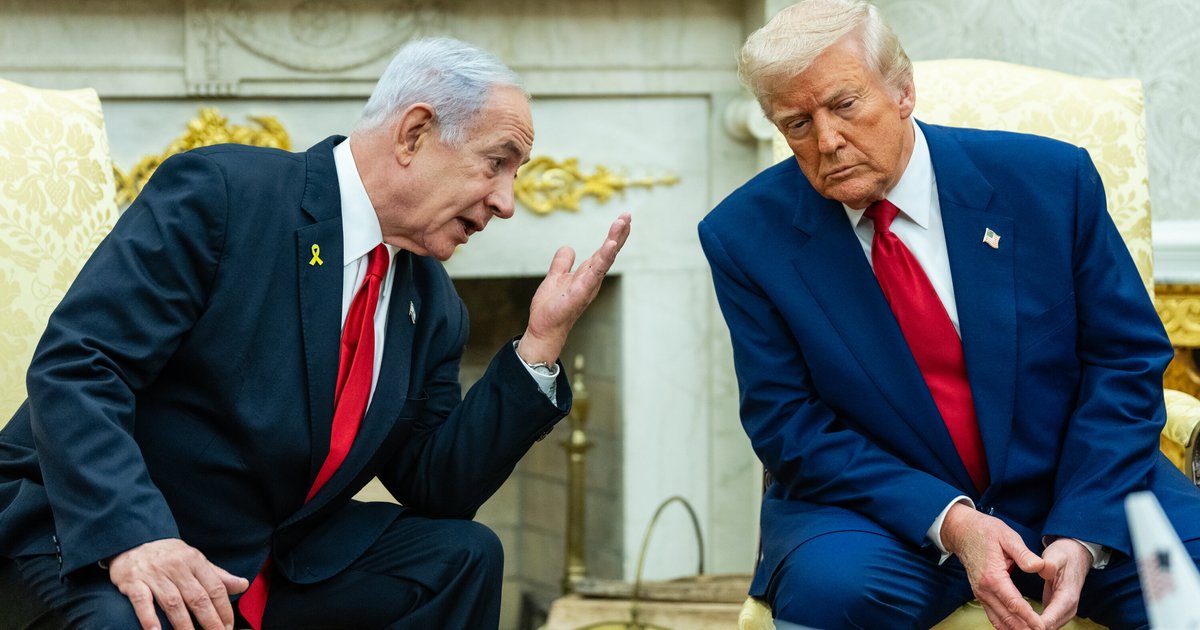
U.S. President Donald Trump sharply criticized Washington's allies on Tuesday, pointing out their lack of participation in military operations against Iran or in securing navigation through the Strait of Hormuz. Trump asserted that the United States will not intervene militarily on behalf of these allies, reflecting a change in U.S. policy towards military partnerships.
Trump's statements came during a press conference, where he clarified that the United States has provided significant support to its allies in the past, but he indicated that it is time to expect more commitment from them. He considered their non-participation in military operations as a sign of a lack of seriousness in commitment to regional security.
Details of the Event
In his remarks, Trump noted that some countries, which rely on U.S. protection, have not made sufficient efforts to contribute to securing the region. He emphasized that the United States will not bear the burden of defending these countries without reciprocity. These statements come at a sensitive time, as tensions in the Gulf region are escalating due to increasing Iranian activities.
Trump also added that the United States will enhance its military presence in the region, but it will expect its allies to take on their responsibilities. These remarks may raise concerns among countries that depend on U.S. support in facing regional threats.
Context and Background
Historically, the United States has viewed its allies in the Middle East as part of its security strategy. However, recent years have seen changes in this approach, as Washington has begun to reassess its military commitments. Recent events, such as attacks on oil tankers in the Strait of Hormuz, have highlighted the urgent need for greater cooperation among the concerned nations.
Moreover, U.S. relations with Iran have experienced increasing tension since the United States withdrew from the nuclear agreement in 2018. This tension has made it necessary for allied countries to take a clearer stance in supporting military operations against Iran.
Implications and Effects
Trump's statements may lead to a reevaluation of the strategies of allied countries in the region. Some of these nations may feel anxious about the lack of sufficient U.S. support if tensions with Iran escalate. Additionally, this stance may reflect a shift in U.S. policy towards greater reliance on effective military partnerships.
These remarks are likely to increase pressure on allies to provide more military and financial support. They could also affect bilateral relations between the United States and countries that did not respond to Trump's calls.
Impact on the Arab Region
For the Arab region, Trump's statements reflect a new reality in international relations. Arab countries that rely on U.S. protection may find themselves in a difficult position, needing to make strategic decisions on how to address regional threats.
This situation could lead to further tensions in the region, especially if Arab nations cannot effectively coordinate their efforts to tackle security challenges. Additionally, instability in the region may impact the economy and overall regional security.
In conclusion, it appears that Trump's statements reflect a shift in U.S. policy towards its allies, requiring them to reassess their security and military strategies in light of increasing challenges.