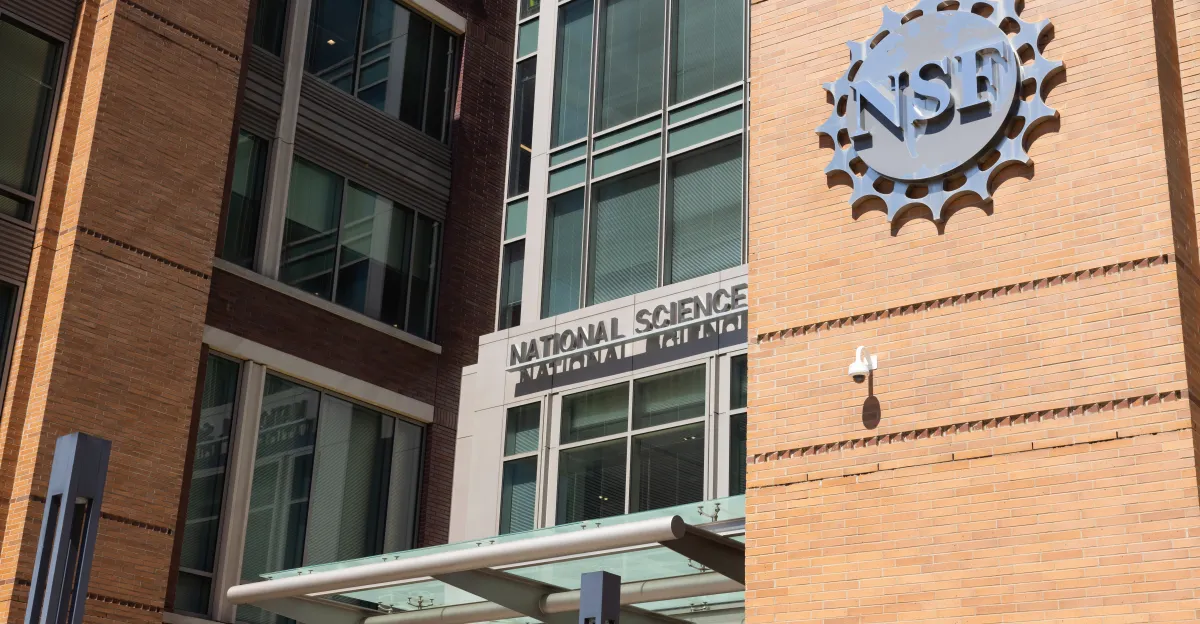
In an unexpected move, the administration of President Donald Trump has dismissed the entire National Science Board (NSB), which serves as the primary advisory body to the president and Congress regarding the National Science Foundation (NSF). This dismissal occurs at a time when the NSF is facing significant challenges, as funding allocated for scientific research has reached historically low levels, raising concerns about the future of innovation in the country.
The National Science Foundation is a vital institution that has contributed to the development of modern technologies across various fields, such as magnetic resonance imaging and mobile phones. It has also supported projects like the Duolingo app. However, delays in distributing funding for research have negatively impacted the progress of many scientific projects.
Details of the Dismissal
Representative Zoe Lofgren, a senior member of the House Committee on Science, Space, and Technology, criticized this move, describing it as a significant setback for scientific progress. She emphasized the importance of the NSB in guiding national research priorities and ensuring that the United States remains a leader in scientific innovation.
The NSB plays a crucial role in advising on policies and funding for the NSF, which is responsible for supporting a wide range of research initiatives. The abrupt dismissal of the board raises questions about the administration's commitment to scientific research and its implications for future funding and support.
Background & Context
The National Science Foundation has been instrumental in funding groundbreaking research that has led to significant advancements in various fields. However, in recent years, the NSF has faced budget cuts and increased scrutiny over its funding decisions. This has resulted in a challenging environment for researchers who rely on federal grants to support their work.
As the NSF grapples with these challenges, the dismissal of the NSB adds another layer of uncertainty. Many scientists and researchers are concerned that this move may hinder the NSF's ability to effectively allocate resources and prioritize critical research areas that require immediate attention.
Impact & Consequences
The dismissal of the NSB could have far-reaching consequences for the scientific community in the United States. Without the guidance and expertise of the board, the NSF may struggle to navigate the complex landscape of scientific research funding. This could lead to further delays in project approvals and funding distributions, ultimately stifling innovation.
Moreover, the decision may discourage researchers from pursuing ambitious projects, knowing that the funding landscape is becoming increasingly uncertain. This could result in a brain drain, where talented scientists seek opportunities in other countries with more stable research funding environments.
Regional Significance
This news is particularly significant for the scientific community in the Arab region, as many researchers collaborate with their American counterparts on various projects. The potential decline in U.S. research funding could impact joint initiatives and partnerships, affecting the overall progress of scientific research in the region.
Furthermore, as global scientific collaboration becomes increasingly important, the dismissal of the NSB may send a negative signal to international partners about the United States' commitment to science and research. This could lead to a decrease in collaborative efforts and funding opportunities for researchers in the Arab world.
In conclusion, the dismissal of the National Science Board by the Trump administration raises serious concerns about the future of scientific research in the United States and its implications for global collaboration. As funding levels remain low and delays continue, the scientific community must advocate for the importance of research and innovation to ensure a brighter future.